
Topic
Peels, Needling and Lasers: Resurfacing Questions
Eight resurfacing questions, from preparing the skin for a peel to the day a laser result finally shows in the mirror.
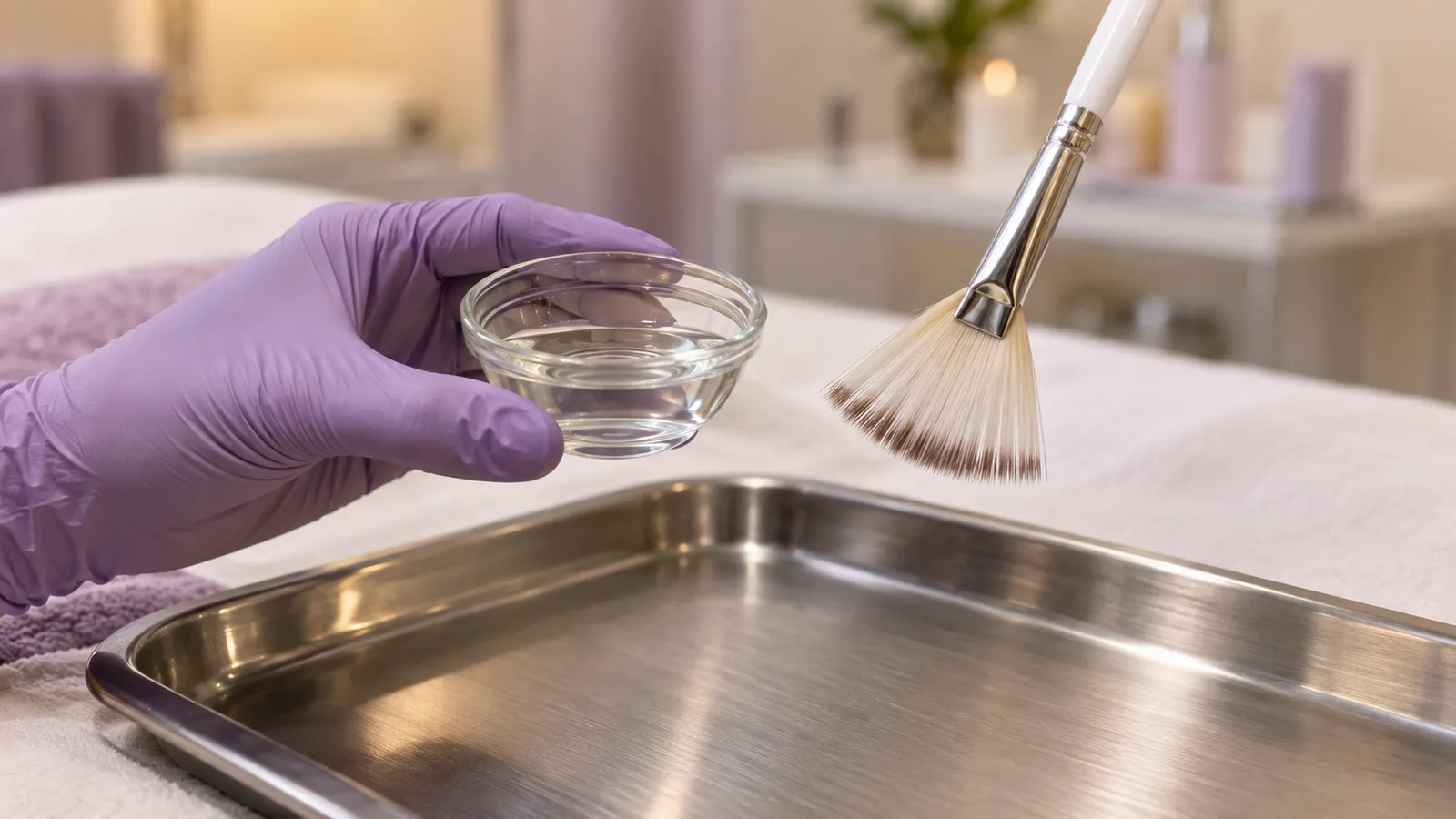
Resurfacing is the family of treatments that works on the skin's surface and the layer just beneath it: chemical peels, microneedling, and lasers that remove or heat narrow columns of tissue. They treat texture, tone, fine lines and shallow scars.
They do not lift anything and they do not add volume. Most first-time patients in Hancock Park arrive at this topic after a peel was suggested at a facial, or after a laser was named in a consultation and the name meant nothing.
The eight questions below follow the sequence a patient meets them in. How skin is prepared, what depth to start with, how needling differs by setting, and how many sessions texture needs come first.
Then whether needling and peels can be alternated, what separates ablative from non-ablative lasers, how skin type changes the choice, and how long before anything shows.
Every resurfacing decision turns on depth. A superficial peel and a light needling pass work in the epidermis and heal in days. A medium peel, a fractional non-ablative laser and deeper needling reach the upper dermis and heal in a week or two.
A deep peel and an ablative laser remove the epidermis and remodel the dermis, and the recovery is counted in weeks with months of sun avoidance after.
The clinician's first job is to match depth to the problem, and the second is to match it to the skin.
The more melanin a face carries, the more carefully depth is chosen, because post-inflammatory pigment is the common complication and it lasts longer than the problem being treated.
Timing is the second lever. Resurfacing is easier to recover from in the cooler months, when the Los Angeles sun is lower and an indoor week is less of a sacrifice.
The sun does not care about the calendar, though, and a strict sunscreen habit is the one aftercare rule that applies to every depth.
The third lever is the setting. In California, a peel or a needling pass that stays in the epidermis may be offered by an esthetician, while anything that crosses into the dermis, and any laser that does, is a medical procedure under physician supervision.
The line is drawn in the regulations rather than on the menu, and the question pages below say where it falls for each treatment.
Questions in this topic
How is skin prepared in the month before a peel?
Retinoids, pigment-suppressing agents, the sun, and the week when everything stops.

What depth of peel suits a first-time patient?
Why the first peel is usually superficial and what a medium peel is for.

Is medical microneedling different from the cosmetic version?
Needle depth, device type, and who may perform which in California.

How many microneedling sessions does texture usually need?
The series most protocols describe, the spacing, and when to stop.

Can microneedling and peels be alternated?
Sequencing, healing windows, and the combination that is usually avoided.
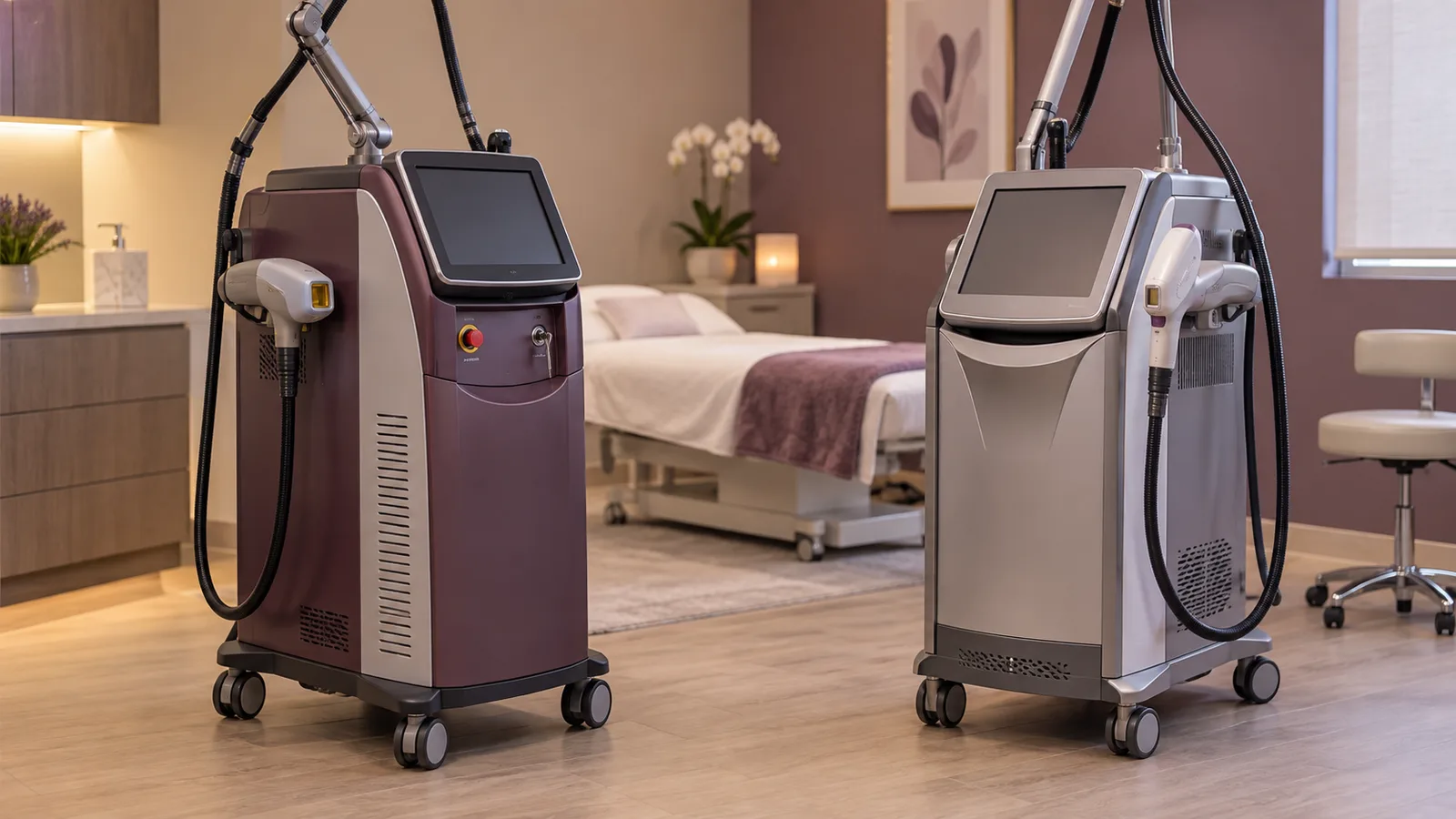
What is the difference between ablative and non-ablative lasers?
Removal versus heating, downtime versus depth, and which problems each one suits.
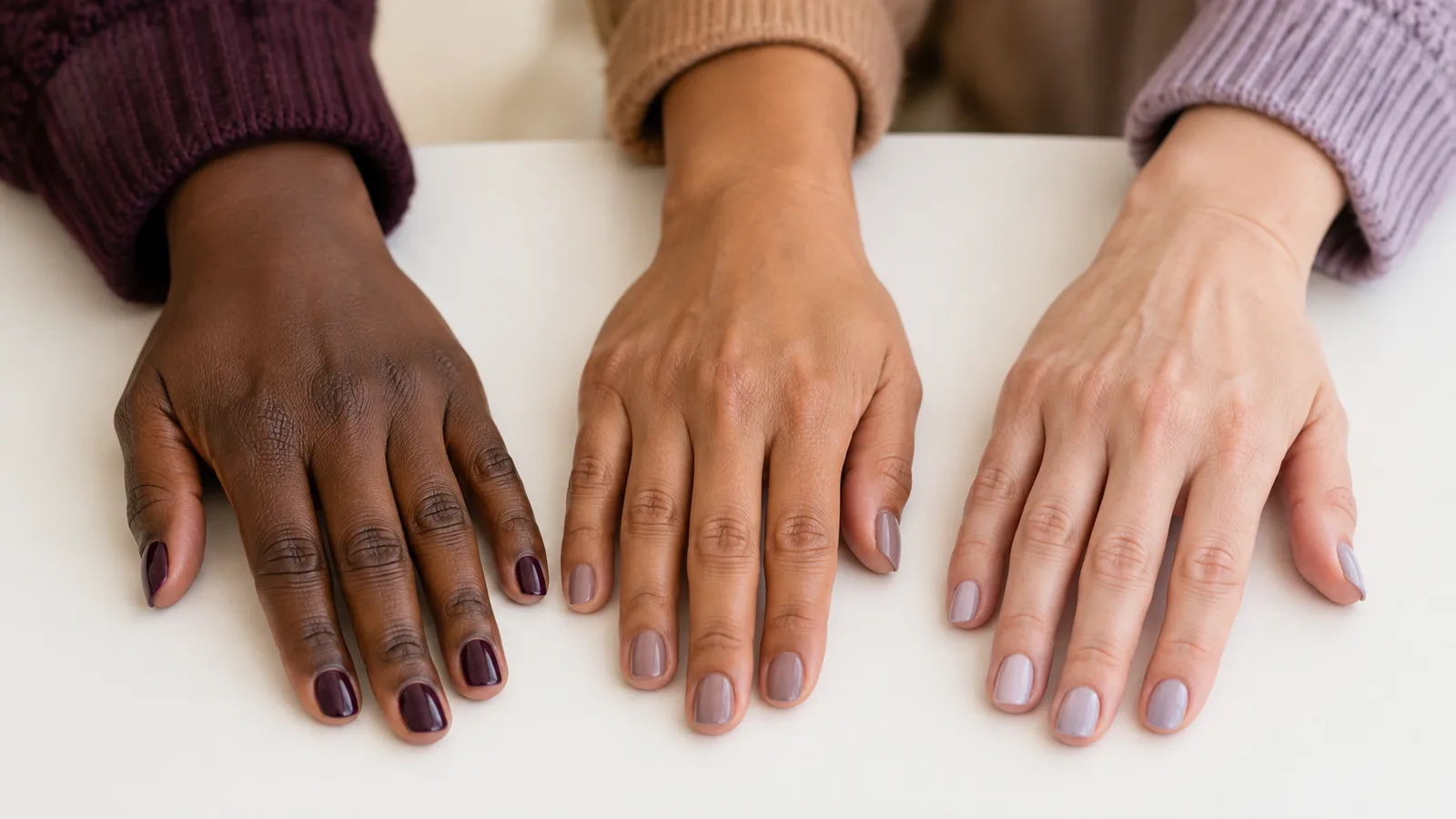
Does skin type change which laser is suitable?
Fitzpatrick type, wavelength, cooling and the test spot.

How long before resurfacing results are visible?
The two timelines: what shows in a week and what takes three months.
About us
How these pages are written
This topic's editors are readers in Hancock Park, not clinicians, and none holds a medical license. They plan a peel week the way a subscriber plans a season at the LA Phil: indoors and dated in advance.
The depth that suits a particular face is decided by a licensed clinician who has examined it, and these pages exist so that examination starts further along.
About us
About these answers
These pages are written by independent editors who read consent forms, device clearance letters and the published literature on peels, needling and lasers. A named device is checked against its clearance letter.
The searchable public record kept by the city's planning department is the model for the record a well-run clinic keeps. Nobody here holds a medical license; a licensed clinician who has examined the skin decides the depth.
Before booking
Begin with the month before
Most of a peel result is decided in the four weeks before the treatment day, so the preparation question is the one to read first: how skin is prepared in the month before a peel.