
Question
What Depth of Peel Suits a First-Time Patient?
Superficial, medium or deep: where a first appointment should start, and why the shallow answer is usually right.
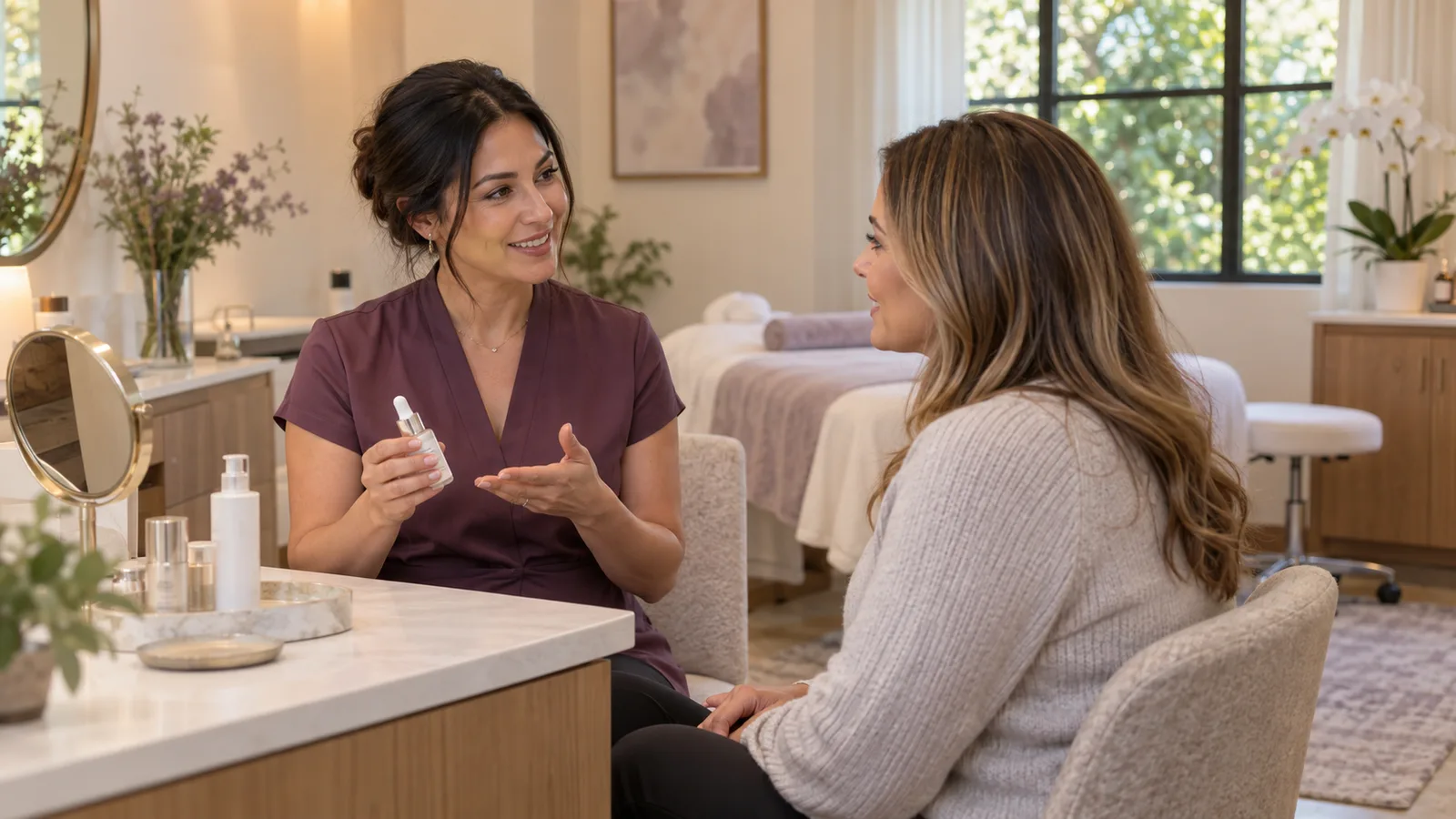
Peels are sold by depth, and a first appointment often turns into a menu: superficial, medium, deep, with brand names attached.
The reader asking this question wants to know where to start without wasting a session or spending two weeks hiding a raw face.
The honest answer is that the first peel is a diagnostic as much as a treatment. It shows the clinician how the skin reacts, and it shows the patient what the recovery feels like. Both facts shape the second visit more than any menu does.
This page sits inside the resurfacing questions topic.
The short answer
The short answer
A superficial peel, done properly and probably repeated. For a first-time patient of any skin type the case for starting shallow is strong, and for types IV to VI it is close to a rule.
The first session shows how the skin frosts, flakes and recovers its color, and that information makes a deeper peel a considered choice rather than a guess. Depth can be added next visit; a pigment mark from an over-deep peel cannot be taken back.
Follow-up questions
Will a superficial peel do anything visible?
Usually yes, though modestly and after more than one session. Skin looks brighter and smoother for a few weeks, makeup sits better, and mild pigment softens across a series. Anyone expecting a single superficial peel to remove lines or scars will be disappointed.
That is a medium-peel outcome, and it comes with medium-peel recovery.
How long between a first superficial peel and a medium one?
Most clinicians want to see the skin through at least two or three superficial sessions and a full preparation program first, which puts a medium peel two to three months out at the earliest.
Patients with darker skin may never move up, and that is a sound decision, not a failure.
About us
About these answers
This answer follows the published peel protocols, the consent forms for superficial and medium peels and the product data sheets that list percentage and pH, read by independent editors in Hancock Park.
Nobody here holds a medical license, and nobody here treats patients. Decisions about a particular face belong with a licensed clinician who has examined it.
What decides the answer
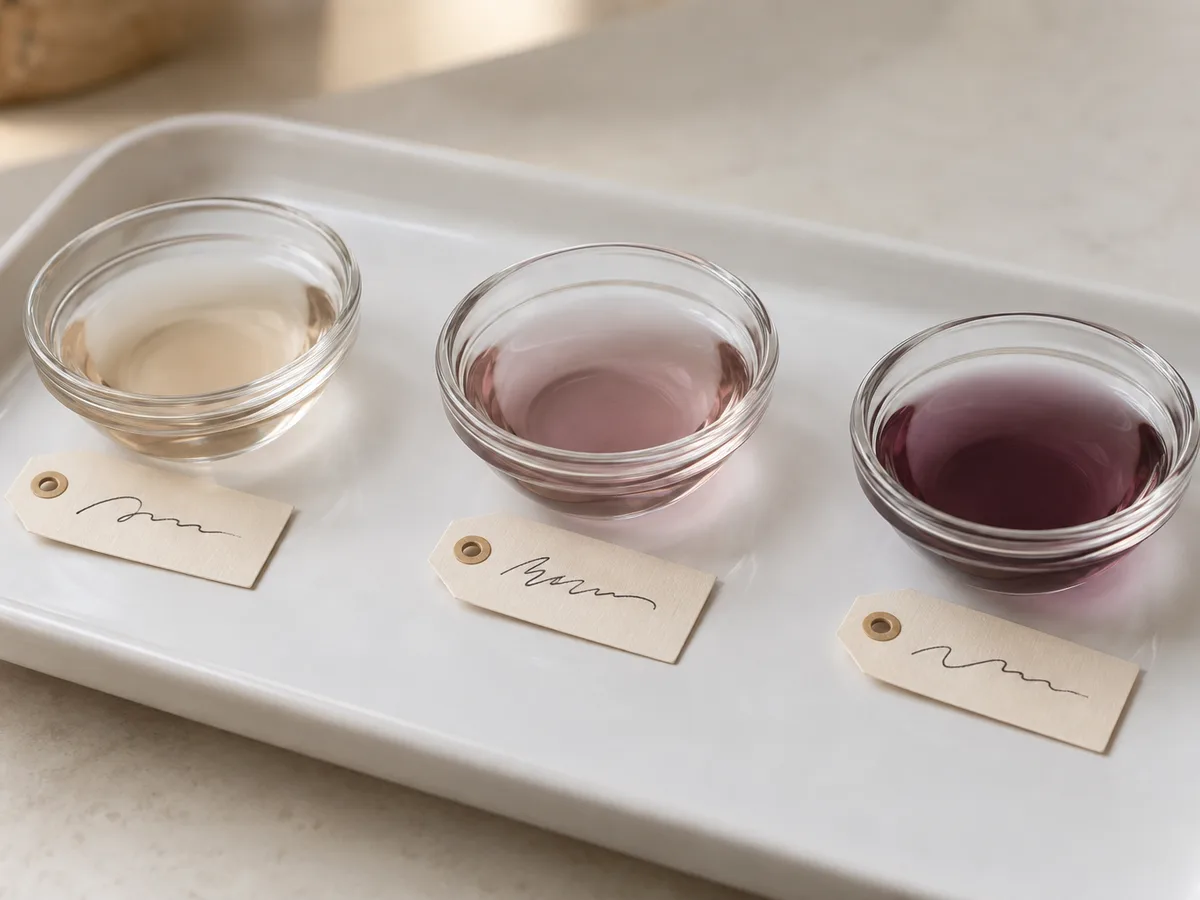
Depth is defined by how far the acid reaches. A superficial peel works within the epidermis, the outer layer that turns over on its own every month or so. Glycolic, lactic and salicylic acids at modest strengths, and low-percentage trichloroacetic acid, sit here.
The skin looks pink for a day, flakes lightly for a few more and is back to normal within a week. A medium peel reaches the upper dermis, usually with trichloroacetic acid at higher strength or in combination with another agent.
The face frosts white during the treatment, turns brown and tight, and sheds in sheets over seven to ten days. Deep peels, historically phenol-based, reach the mid dermis, are done with cardiac monitoring and carry weeks of recovery.
They are rare now and are not a first-visit conversation.
Skin type sets the ceiling. In Fitzpatrick types IV to VI, medium and deep peels carry a real chance of post-inflammatory hyperpigmentation, the brown marks that follow inflammation and can outlast the problem the peel was meant to solve.
For those patients most clinicians begin superficial and stay there for several sessions, often with a pigment-suppressing topical program running alongside.
Lighter skin has more room, but a first medium peel on an untested face is still a gamble a careful clinician avoids.
The problem being treated matters next. Dullness, mild texture and early sun damage answer to a series of superficial peels. Fine lines, deeper sun damage and some scarring are medium-peel territory.
Melasma is the trap: it can respond to gentle peels and then flare hard after an aggressive one, so the depth decision for melasma is usually the most conservative of all.
Preparation is the last variable, and the one first-time patients skip. Several weeks of a retinoid and, for darker skin, a pigment suppressor change how evenly a peel penetrates and how the skin recovers.
A clinic that offers a medium peel on the day of a first visit, with no preparation, is choosing convenience over the result.
Its consent and aftercare documents should be as plain and readable as the public documents that Section 508 rules hold federal agencies to, with nothing left to jargon.
The month before a peel has its own page, How Skin Is Prepared in the Month Before a Peel.
Expert note
The professional guidance on peels is unusually consistent: the depth of a first peel should be the shallowest that can plausibly address the complaint, and it should be repeated before it is deepened.
Superficial peels done in a series of four to six, spaced two to four weeks apart, deliver much of what patients want from a single medium peel with a fraction of the risk, and they tell the clinician how the skin behaves under acid.
The consent form for a medium peel lists prolonged redness, pigment change in either direction, infection, reactivation of cold sores and scarring.
The consent form for a superficial peel lists most of the same words with lower odds, and a patient should read both.
Two caveats appear in every serious protocol. Anyone who has taken oral isotretinoin in the past six to twelve months is usually deferred from medium and deep peels because of a reported scarring risk.
A history of cold sores calls for antiviral cover arranged by the treating physician before a medium peel. Peel percentages and pH are on the product data sheet, and a patient may ask to see it.
Regulated industries file their rate schedules with the state utilities commission for anyone to read, and a peel protocol should be no more secret than a tariff.
Next steps
Before choosing a fix, the evidence to check is the clinic's own protocol: what acid, what percentage, how many layers, how long on the skin, and what the patient is asked to do for the four weeks before.
A written aftercare sheet is a good sign; so is a clinician who reads the sheet aloud and pauses on the sun section. A consultation that starts with the skin rather than the price list is the one to keep.
A reader planning around work or family can treat the recovery window as a calendar problem. A superficial peel fits a normal week. A medium peel wants a quiet stretch with no photographs, no sun and no travel.
The shedding phase is easier to sit through indoors, and a day at the beach is out, so an hour browsing the online exhibits of the Cal Academy in San Francisco is a more realistic day five than a hike.
The Academy Museum of Motion Pictures lists what is on, and a dark cinema is kinder to shedding skin than a patio.
Where this answer stops
The case for starting shallow is general, and the peel that suits one face is not. Skin type, history and the concern being treated are read in person, and the licensed clinician who examines the skin sets the depth.
Before booking
Ask why this depth suits this face
A clinician should explain why a particular depth suits this skin rather than describe the peel the clinic runs most often. The question belongs in front of any clinician, including the physician at My Aesthetic Doctor.