
Topic
Aftercare and Preparation Routines
Clinics hand over the aftercare sheet at the wrong end of the visit; these pages move it earlier.
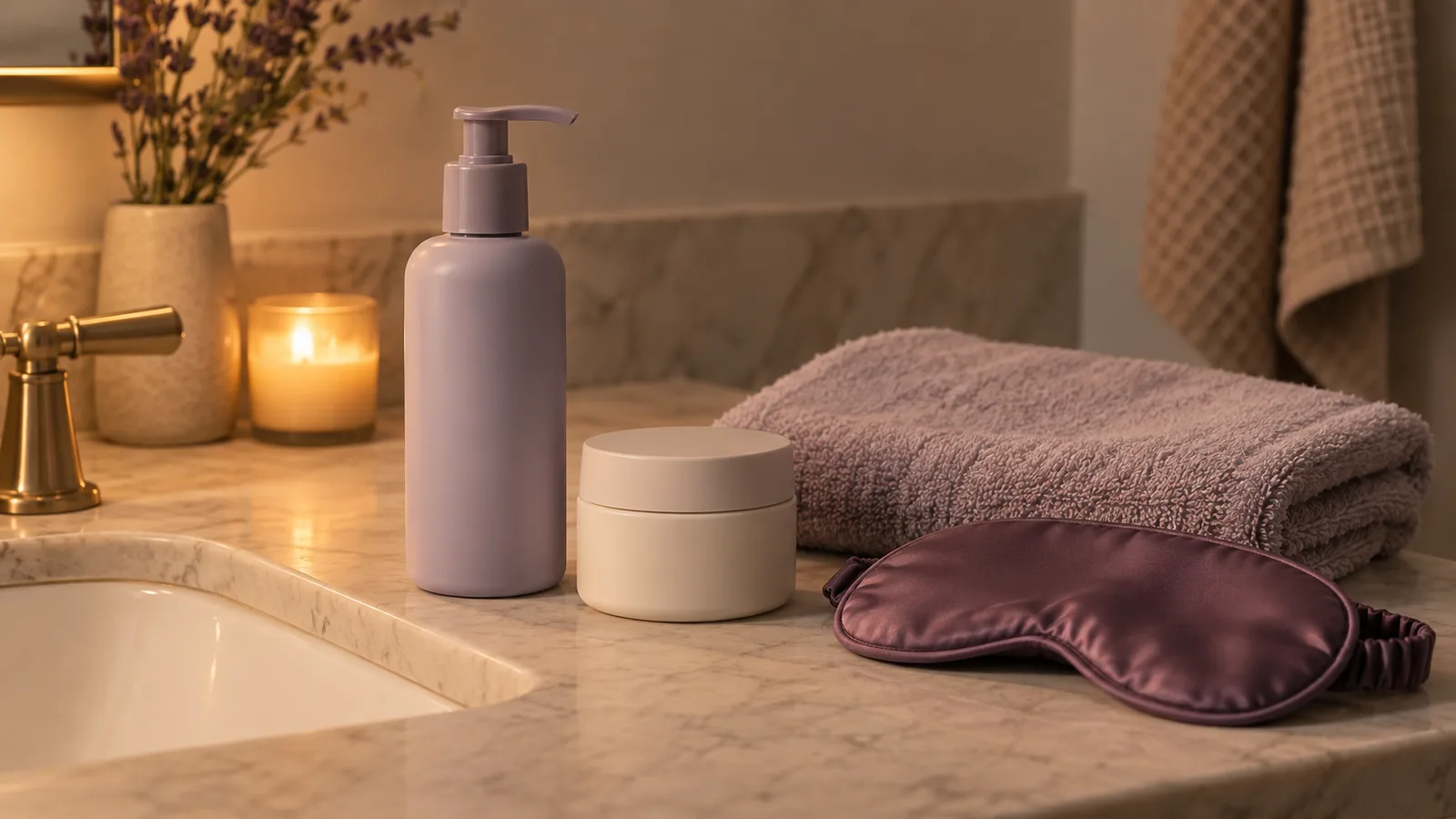
Most of what decides how a treatment goes happens outside the treatment room. The week before an injectable appointment, the month before a peel, and the fortnight after a laser are where bruising, pigment and disappointing results are usually set in motion.
Clinics hand over an aftercare sheet at the end of the visit, which is the wrong end. This topic collects the routine questions patients in Hancock Park ask once they realize that preparation is part of the treatment.
The topic currently holds one full question page, on the week before injectables, and points to the preparation and recovery questions filed under other topics so the sequence can be read as a whole.
Questions in this topic

What should be avoided the week before injectables?
Supplements and alcohol, the medications that are never stopped without the prescribing physician, and the timing rules around dental work and vaccinations.

How is skin prepared in the month before a peel?
The retinoid pause, pigment-suppressing agents, and the sun.

How long before resurfacing results are visible?
The recovery timeline that aftercare is protecting.

Do threads leave visible marks?
What settles on its own and what aftercare can influence.

Does melasma come back after treatment?
Why maintenance is aftercare that never quite ends.
About us
How these pages are written
This topic's editors are independent readers in Hancock Park, not clinicians, and none holds a medical license. They read pre-treatment instructions and aftercare sheets from different clinics side by side and say where the differences come from.
A pause on any medication is a matter for the licensed clinician who examines the patient and the physician who manages the prescription.
Expert guidance
After the first check, the better question is what the clinic asked before booking. A well-run practice takes a medication and supplement history at the consultation, not at the chair.
The things that raise bruising risk, such as fish oil, vitamin E, some herbal supplements and alcohol, are easy to pause a week ahead and impossible to pause the morning of.
Anything a physician has put a patient on, including blood thinners and aspirin taken for a medical reason, is never stopped on a clinic's say-so. That conversation belongs to the prescribing physician, and the clinic should ask whether it has happened.
Aftercare has the same shape in reverse. The first day after injectables is about not pressing, not heating and not lying face down. The first two weeks after a peel or a laser are about shade, bland skincare and leaving the skin alone.
Community organizations that run volunteer programs, such as United Way of Greater Los Angeles, publish calendars months ahead, and readers who plan a recovery week around indoor commitments of that kind tend to keep to the shade rule better than those who plan nothing.
How to use this topic
Read the preparation question for the treatment being planned first, then the recovery timeline for it, and only then the aftercare sheet the clinic provides. Done in that order, the sheet reads as a checklist rather than a surprise. Two calendar habits help.
A family schedule matters more than most aftercare advice admits; parents who plan a peel around the term dates a district publishes, such as the ones Pasadena Unified posts, avoid the week when a peeling face has to appear at a school gate.
And a cooler, overcast stretch is easier on healing skin than a heat wave, so the season is worth choosing where it can be.
Recovery weeks also go better with somewhere to be that is out of the sun. An aquarium such as Cabrillo Marine Aquarium in San Pedro is dim, cool and indoors, which is the whole aftercare instruction in one building.
Where this page stops
The topic describes the shape of preparation and recovery, not the sheet for one treatment on one face. The clinic's written instructions for the specific procedure, and the physician who manages any prescription, decide the pauses that apply to a particular patient.
About us
About these answers
The answers in this topic are written from the pre-treatment instructions and aftercare sheets clinics hand out, read side by side, and from the published guidance on bruising risk.
During a recovery week, an exhibition at the Academy Museum is one of the few places where a peeling face is unremarkable. None of our editors holds a medical license; a licensed clinician sets the list.
Follow-up questions
Is it safe to fly the week after injectables?
Cabin pressure and dry air do not affect the product, but bruising and swelling are at their worst in the first two or three days, and most clinicians suggest leaving a few days before a trip so anything unexpected can be seen in person.
Can makeup go on the same day?
After injectables, most clinics ask for a few hours with nothing on the skin, then mineral makeup applied gently. After a peel or a laser, makeup waits until the skin has stopped weeping or flaking, which the clinic will date for the specific depth treated.
When is exercise resumed?
Injectables usually mean one day without heavy exertion, heat or inversions. Resurfacing means waiting until the surface has closed, because sweat on raw skin stings and raises the infection risk. The clinic's sheet will give a day count for the treatment done.
Before booking
Ask for the list at booking
The preparation list arrives as a text the night before at too many clinics. Read what is usually on it, and why, before making the call: what should be avoided the week before injectables.