
Topic
Med Spa Standards: What to Check Before Booking
Four questions about what a well-run med spa shows, what its injectors hold, who supervises, and how it plans for a complication.

A med spa in Los Angeles can look like a dermatology office, a salon or a hotel lobby, and the decor says little about what happens in the treatment room.
The standards that matter are less visible: who owns the practice, who examined the patient before the first syringe was opened, which license the injector holds, and what the plan is when something goes wrong.
California sets rules on each of these, and the rules are checkable from a phone in the waiting room.
This topic gathers the four questions a first-time patient in Hancock Park tends to ask about a facility, in the order they come up: what should be on display, what the injector's credentials should be, who supervises, and how complication cover is discussed.
The answers do not rank clinics. They describe what a well-run one shows and what a poorly run one avoids saying.
Put plainly, the answer here is that a med spa is a medical practice.
In California, the corporate practice of medicine rules mean a physician or a physician-owned corporation must own the medical side of the business, and the treatments are medical procedures whichever room they happen in.
That is why the questions above all reduce to one: is a licensed physician, physician assistant or nurse practitioner making the clinical decisions, and can the front desk say who that person is.
Two habits from outside medicine help here. The first is reading a facility the way an inspector would, looking for what is documented rather than what is decorated.
A plan that exists only in someone's head is not a plan, so a clinic's complication protocol should be written down and the staff should know where it is.
The second habit is noticing curation. A treatment room deserves the standard a gallery applies to every work on its walls: which product, which lot, which clinician, recorded before the patient leaves.
Public records are the other check. The state medical and nursing boards publish license status and disciplinary history for anyone to search, and a reader who has never looked up a license can do it in a few minutes.
None of this replaces the examination. It decides whether the examination is worth booking.
Questions in this topic

What facility standards should be visible?
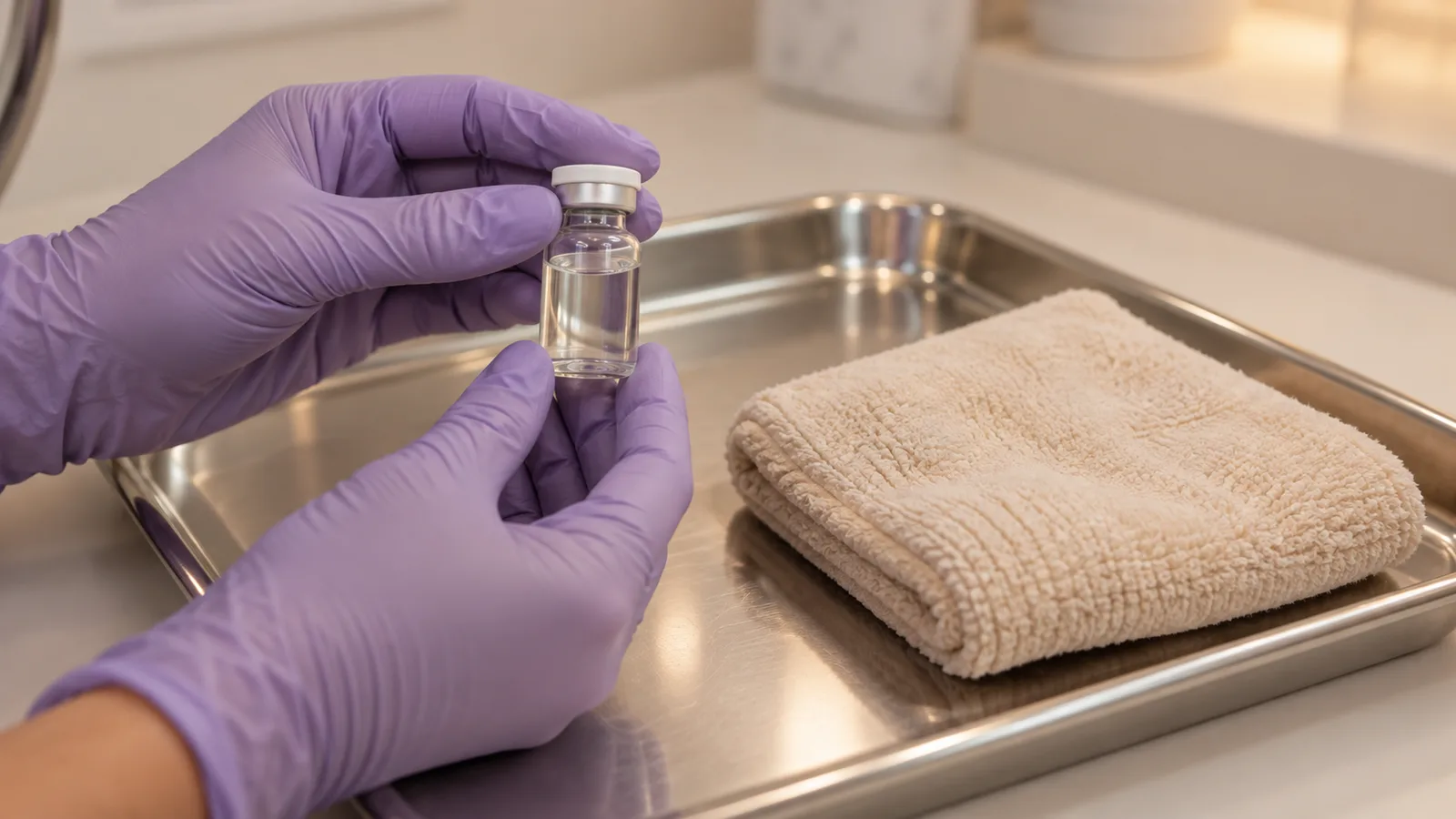
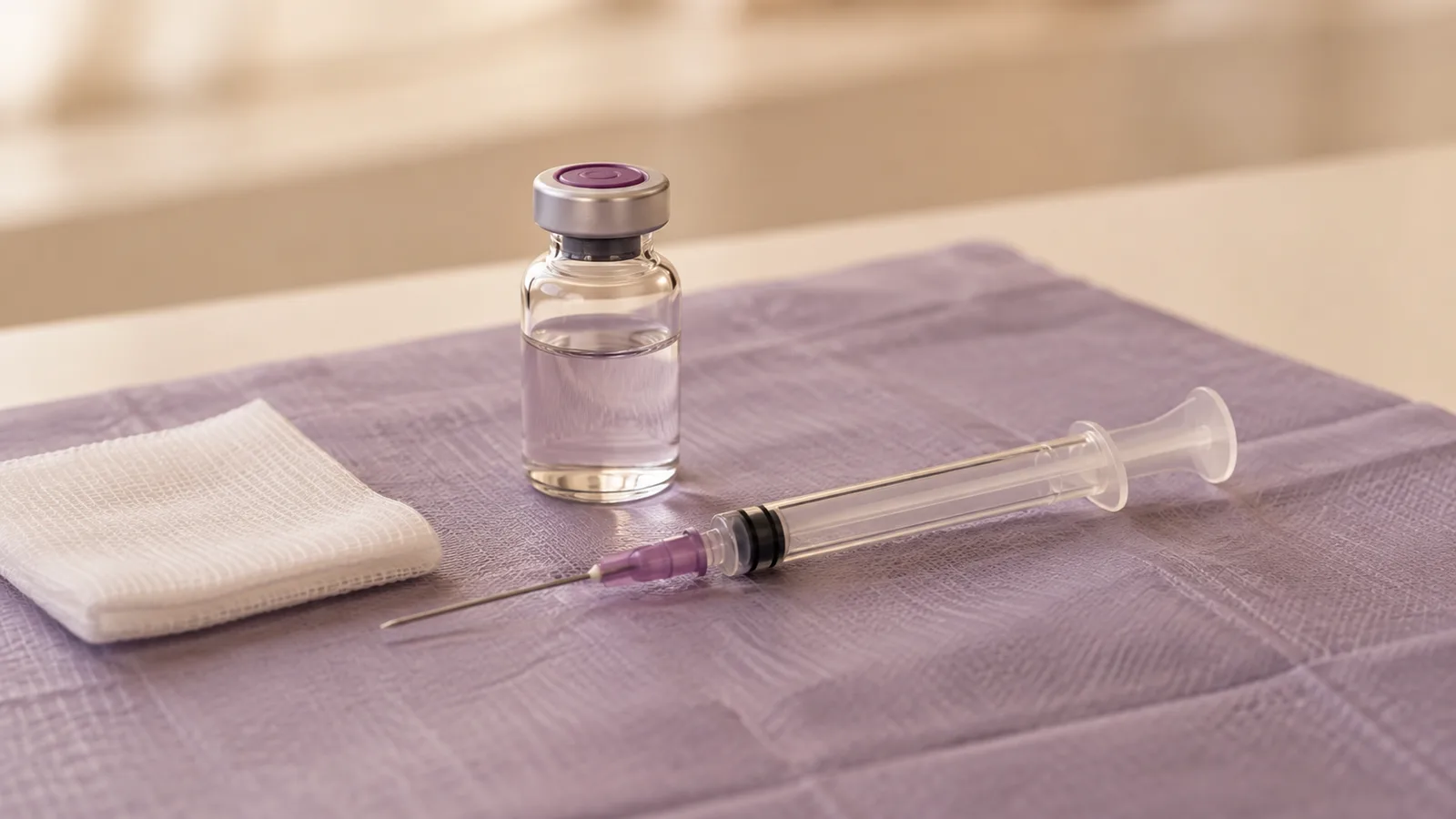
Posted licenses, a named medical director, single-use sharps, product lot tracking, and the paperwork that comes before treatment rather than after.

What credentials should an injector hold?
Physician, physician assistant, nurse practitioner and registered nurse, what each may do in California, and how a license is looked up.

Who supervises treatment at a med spa?
The physician behind the practice, the good-faith examination the state requires before a first injectable, and the difference between a name on a wall and a doctor in the building.

What should be asked about complication cover?
Whether hyaluronidase is on site, who is reachable after hours, and what the consent form says about the cost of managing a problem.
About us
About these answers
The answers in this topic come from independent editors in Hancock Park who read a facility the way an inspector reads a building: the plan-first habit of FEMA and the labelling standard of MOCA.
The public-record habit comes from portals such as Santa Monica's city site and the reference desks of the LA County Library. Nobody here holds a medical license; a licensed clinician who has examined the patient makes the clinical decisions.
Follow-up questions
Does a medical director have to be present during treatment?
Not physically for every treatment, but the physician must have examined the patient or delegated that examination to a nurse practitioner or physician assistant, and must be available for consultation. A registered nurse injecting under standing orders with no reachable physician is outside the rules.
Can a licensed esthetician give injectables in California?
No. Estheticians are licensed by the state's barbering and cosmetology board for skin care services. Injectables, and laser treatments that cross the skin's surface, are medical procedures reserved to physicians and to the nurses and physician assistants they supervise.
What if the clinic will not say who the supervising physician is?
Then the visit has already answered the question. Ownership and supervision are matters of public record, and a practice that treats them as confidential is either poorly run or hiding a supervision gap. Either is a reason to book elsewhere.

Before booking
Check the room before the treatment
Start with the standards a patient can see from the waiting-room chair, then move to the questions that have to be asked out loud. The first of the four is what facility standards should be visible.