
Question
What Happens If Filler Is Placed in a Vessel
What a vascular occlusion looks like, why the first hours decide the outcome, and what a competent clinic does about it.
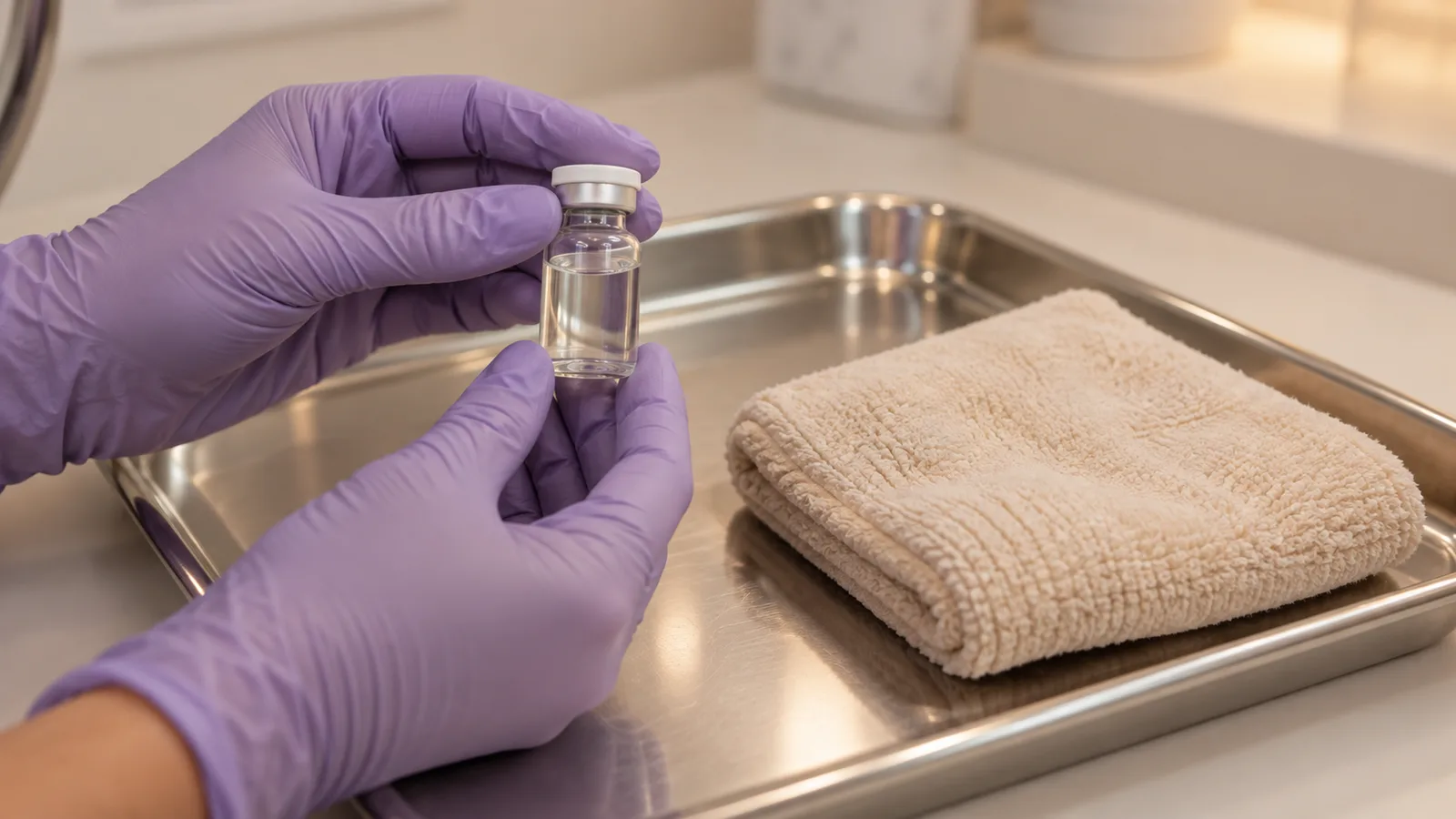
This is the question patients are most reluctant to ask out loud and most want answered. Dermal filler is injected near arteries in every part of the face, and once in a while it goes into one.
What follows, how fast it is recognized, and what the injector does in the next hour decide whether the event is a footnote or a scar.
Readers in Hancock Park raise it after a story circulates, often second-hand, of a lip or a nose that turned gray.
This page sits in the complication signs topic and describes the event in diagnostic order: what the skin looks like, what is happening underneath, and what a competent clinic does about it.
The short answer
The short answer
Filler in a vessel blocks blood flow to a patch of skin. The early signs are blanching, then dusky or mottled discoloration in a pattern larger than the injection site, and pain that does not match the procedure.
Treated within the first hours with hyaluronidase, most cases resolve without a mark. Untreated, the tissue can ulcerate and scar, and in rare cases involving the eye the damage can be permanent. The reversal protocol is worth asking about before booking.

Follow-up questions
Can an occlusion appear days later?
Most are evident within minutes to hours, but delayed presentations do occur, sometimes because early signs were mistaken for bruising or because swelling masked the color change.
Any new dusky patch, blistering or unusual pain in the days after filler warrants a same-day call to the injector rather than a wait-and-see approach.
Does a bruise mean filler went into a vessel?
Usually not. A bruise is bleeding from a small vessel the needle nicked, and it is common and harmless. The difference is pattern and progression: a bruise is at the injection site and fades, while an occlusion spreads along an arterial territory and worsens.
When the two cannot be told apart, the clinic should be asked to look the same day.
About us
About these answers
This answer follows the filler consent forms, the product labeling for the major hyaluronic acid fillers and the occlusion management algorithms professional bodies publish, read by independent editors in Hancock Park.
None of our editors is a clinician, and none holds a medical license. An examination by a licensed clinician decides what any of this means for one face.
What decides the answer
Filler in a vessel is called a vascular occlusion. The product blocks blood flow through an artery, and the tissue that artery supplies begins to starve.
The first sign is often blanching: a patch of skin turns white as the injection is made, sometimes in a pattern that traces the artery's territory rather than the spot injected.
Within minutes to hours the patch may turn dusky, purple or mottled, in a lace-like pattern that is distinct from ordinary bruising.
Pain out of proportion to the injection is the other early sign, though some occlusions are painless at first, especially when a numbing agent was mixed with the filler.
Timing decides the outcome. Skin can tolerate reduced blood flow for a few hours, and an occlusion recognized and treated in the first hour usually resolves with no lasting mark.
One left overnight can progress to blistering, ulceration and, in the worst cases, tissue loss that heals with a scar.
The areas at highest risk are the nose, the glabella between the brows, the nasolabial fold and the lips, because the arteries there are small, superficial and connected to one another.
The treatment is hyaluronidase, an enzyme that breaks down hyaluronic acid filler within minutes. The injector floods the area with it, repeats the dose at intervals, and massages, warms and sometimes gives aspirin under a physician's direction to help flow return.
Hyaluronidase works only on hyaluronic acid products. Fillers made from calcium hydroxylapatite, poly-L-lactic acid or polymethyl methacrylate cannot be dissolved, which is one reason careful injectors reserve those products for lower-risk areas and deeper planes.
The rarest and most serious version is an occlusion that reaches the arteries supplying the eye. The signs are sudden vision change or eye pain during or immediately after injection, and the window for any intervention is very short.
It is uncommon, but every injector who works near the nose, brow or forehead should have a written plan for it and should be able to describe that plan without hesitation.
Federal agencies with no stake in aesthetics, such as the National Telecommunications and Information Administration, publish their emergency communication plans in public; a clinic's occlusion protocol should be at least that explicit.
Expert note
Vascular occlusion is listed on every dermal filler consent form and is discussed in the labeling for the major hyaluronic acid products. The reported rate is low, and most published cases resolved without lasting damage when treated promptly with hyaluronidase.
Technique reduces the risk: slow injection, small volumes per pass, aspiration before injecting, blunt cannulas in some areas, and detailed knowledge of where the facial arteries usually run and where they sometimes run instead.
Reduced risk is still risk, and no injector can promise that an occlusion will not happen. What a patient can reasonably expect is that the injector recognizes the signs within minutes, has the reversal agent at hand, and has rehearsed the sequence.
The professional bodies that train injectors publish management algorithms, and a clinician who can describe theirs from memory has very likely practiced it.
Next steps
Before choosing a fix, the evidence to check is the clinic's occlusion protocol.
The questions are direct: is hyaluronidase in the room and in date, who is authorized to give it, how many vials are on hand, and what happens if the injector is a nurse and the supervising physician is elsewhere.
In California, hyaluronidase is a prescription medication, so a med spa with no physician, nurse practitioner or physician assistant reachable within minutes has a gap in its plan.
It is also fair to ask which fillers the clinic uses in high-risk areas and whether any of them are non-dissolvable.
Any injecting practice should be able to say, before a syringe is opened, who handles an occlusion, how fast, and with what. The answer does not need to be long.
A reader who has already had filler and sees a dusky or painful patch developing should call the injecting clinic immediately and, if it cannot be reached, go to an emergency department and say the words "possible vascular occlusion after filler."
Community organizations such as the LA Conservation Corps train young people to act quickly and by protocol in the field, and the same habit is what a patient should expect from a clinic when something goes wrong.
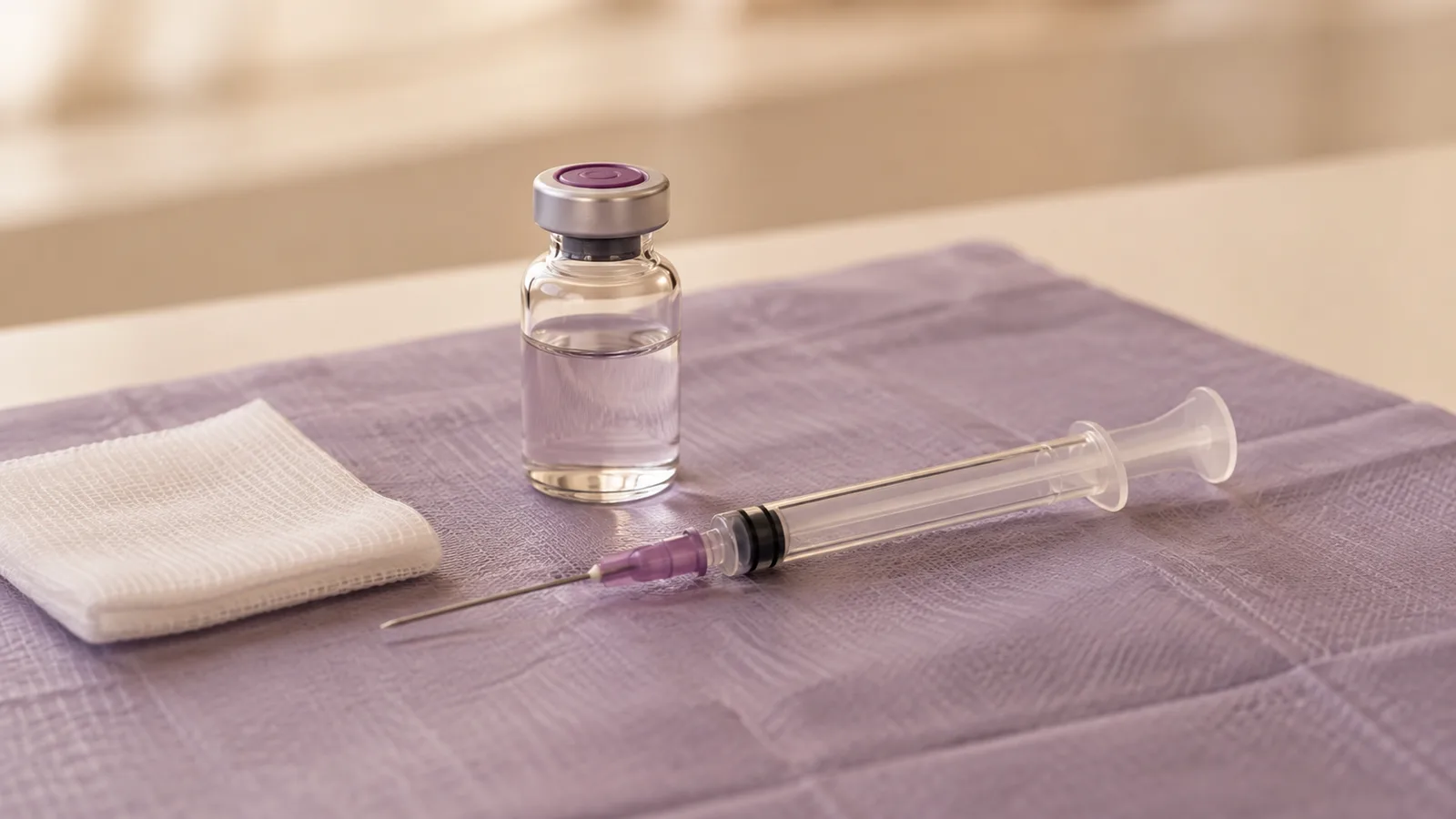



Before booking
Ask about the occlusion protocol before booking
Is hyaluronidase in the room and in date, who is authorized to give it, and how fast is a physician reachable. The questions belong in front of any practice offering cosmetic injectables in Los Angeles.