
Question
What to Ask About Complication Cover Before Booking
What is stocked, who is trained, how a clinician is reached after hours and who pays: four questions, asked before the deposit.

Most consultations spend their time on the result and almost none on what happens when the result goes wrong.
The reader asking this question has usually read about a vascular occlusion or a lump that would not settle and wants to know, before paying a deposit, who handles that and on what terms.
It is a fair question, and a practice that treats it as an insult has answered it.
This page sits in the med spa standards topic.
It covers what "complication cover" means at a med spa, the specific questions a patient can ask, how to read the answers, and the difference between a practice that has a plan and one that has a reassurance.
The short answer
The short answer
Before booking, a patient can ask four things. Is hyaluronidase stocked and in date, who is trained to manage an occlusion and how many they have handled, how is a clinician reached after hours, and who pays for correcting a complication the practice caused.
The answers should be specific, consistent with one another and written into the consent and discharge paperwork. A practice with a real plan will welcome the questions.

Follow-up questions
Is it rude to ask about complications at a consultation?
No. Practices that manage complications well expect the question and usually have the answer in their consent paperwork already. The discomfort, when it appears, tends to come from practices that have not thought about it, and that discomfort is itself information.
What if the practice says its insurance covers everything?
Ask what "everything" means: the hyaluronidase, the follow-up visits, treatment at another facility, and lost time. Ask to see the relevant paragraph of the consent form, read it slowly, and notice what it leaves out.
About us
About these answers
This answer was written from consent and discharge paperwork, the published complication literature and the questions clinicians who manage occlusions say they expect, read by independent editors in Hancock Park.
No medical license sits behind these pages, and no practice pays for them. A licensed clinician who has examined the face is the person to decide with.
What decides the answer
Put plainly, the answer here is that complication cover has four parts, and each one needs its own question. What is stocked, who is trained, how the patient reaches someone, and who pays.
Stock first. For hyaluronic acid filler the reversal agent is hyaluronidase, and a practice should hold it on site, in date, in enough quantity to treat an occlusion rather than a single lump.
For neurotoxin the answer is different: an unwanted effect such as a drooped brow cannot be reversed and is managed by waiting, sometimes with drops for a heavy eyelid, so the question becomes how the practice handles the weeks it lasts.
For threads and energy devices the cover is about recognizing infection or a burn early and having a physician who will see the patient the same day.
Training second. Holding hyaluronidase is not the same as having used it. A patient can ask how many occlusions the practice has managed, who managed them and how it went.
Injectors who have done it describe it in specific steps: the blanching, the massage, the repeated dosing, the follow-up the next morning. Injectors who have not tend to speak in generalities.
Reach third. Occlusions declare themselves within minutes to hours, infections within days, and neither keeps office hours. A practice should give a direct after-hours number that reaches a clinician, not a booking line, and should say what the response time is.
Payment last, and this is where the answers vary most. Some practices treat the correction of a complication they caused as part of the treatment and do not bill for it.
Others charge for hyaluronidase, for the follow-up visit, or for both, and some carry insurance that covers a patient's medical costs after an adverse event.
None of these is illegal, but a patient should know which one applies before booking rather than learning it in the chair.
Two smaller points complete the list. First, the practice should tell the patient what to do if they cannot reach anyone: which emergency department, and what to say on arrival.
Second, the plan should be the same whichever injector the patient sees, which is a supervision question as much as a cover question.
Institutions that plan for the public in the open show that a plan written for everyone reads differently from one improvised for each case.
The LA Phil publishes its accessibility and safety information, and the city's planning department posts its procedures.
Expert note
Clinicians who publish on injectable complications describe the same three failure points: the complication is not recognized quickly, the reversal agent is not on hand, or the injector cannot reach a physician who has managed one before.
Cover, in the clinical sense, is a plan that closes all three gaps. It is written down, the staff have practiced it, and the patient knows which number to call at nine in the evening.
Consent forms from careful practices spell this out. They name the risks, describe the signs a patient should watch for after leaving, give an after-hours contact and state what the practice will do and at whose expense if a known complication occurs.
A form that lists risks without a plan is half a document.
The written policies of public institutions are a useful comparison for what complete looks like; the LA County Library publishes its service policies in full, and a patient is entitled to expect the same completeness from a practice about to inject their face.
Next steps
After the first check, the better question is how the practice's answers line up with one another.
A practice that holds hyaluronidase but has no after-hours number, or that has a physician on call but charges the patient for a correction of its own error, has a plan with a hole in it.
Writing the four answers down at the consultation, alongside the injector's name and license type, gives the patient a record to compare against the discharge sheet on the day.
A recovery afternoon indoors, at a cultural center such as JACCC in Little Tokyo or at home, is a good time to read the consent paragraph slowly and notice what it leaves out.
The supervision page covers who is answerable when a complication happens, and the vascular occlusion page describes what the first hour looks like, which is the scenario most of these questions are really about.
Where this answer stops
The four parts of cover are the same at every practice, and the answers are not. This page cannot say which arrangement a given clinic runs; only its consent and discharge paperwork can, and a licensed clinician stands behind that plan.



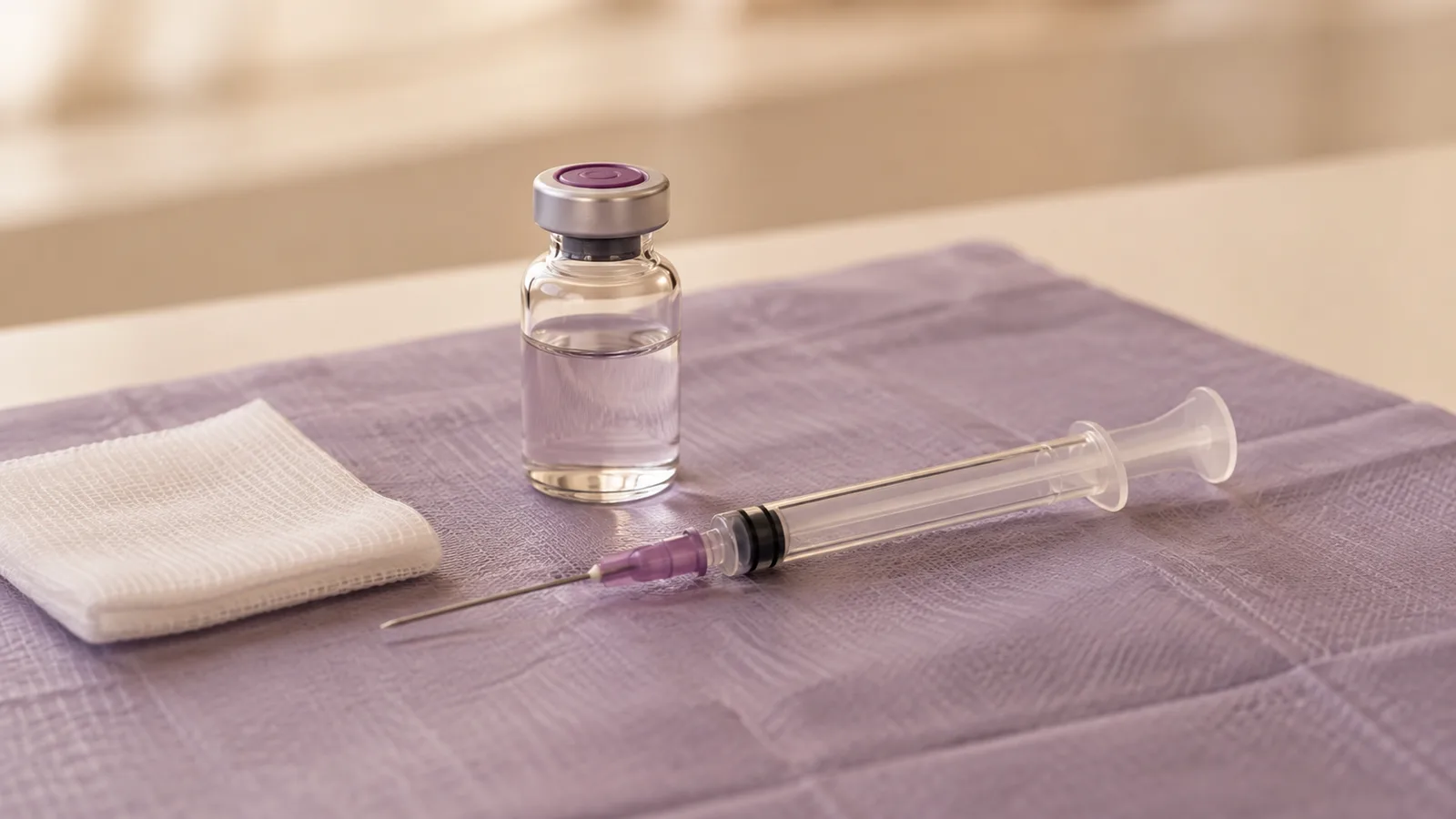
Before booking
Write the four answers down
Keep them beside the injector's name and license type, and compare them against the discharge sheet on the day. The scenario most of the questions are about is on what happens if filler is placed in a vessel.