
Topic
Acne Scarring, Pigment and Skin Texture
Scars change the shape of the skin, pigment its color and texture its surface, and each answers to a different tool.

Scarring, pigment and texture are three different problems that arrive in the same mirror. A scar is a change in the shape of the skin: a pit, a roll, a raised cord.
Pigment is a change in color, whether the brown that follows a spot, the patchy tan of melasma, or the redness that lingers after a flare. Texture is the surface itself: pore size, roughness, the way light sits on a cheek.
Each responds to a different tool, and most disappointing results in this category come from treating one problem with the tool for another.
The five questions in this topic are the ones patients in Hancock Park ask after a first round of treatment did less than expected.
Which scars resist needling, whether melasma returns, whether pores shrink at all, whether a laser can set off rosacea, and whether hyperpigmentation fades on its own.
Put plainly, the answer here is that diagnosis comes before device. A clinician looking at a scarred cheek should be able to name the scar types present, say which are tethered and which are not, and explain why one treatment is proposed over another.
A patient who hears a device named before the scar types have been described is hearing a menu rather than an assessment.
The same applies to pigment: melasma, post-inflammatory hyperpigmentation and sun damage look alike from across the room and behave differently under a laser, and the wrong choice makes pigment worse rather than better, especially on deeper skin tones.
Consistency is the second lever and the one patients underrate. Pigment and texture respond to routines held for months: sunscreen every day, a retinoid or a pigment-suppressing agent as directed by the treating clinician, and sessions spaced as the protocol describes.
A result that cannot be repeated is not a result, and the reader who does the routine and skips the device usually does better than the reader who does the reverse.
Reading is the third. The professional literature on scar classification and pigment disorders is not secret, and a patient who has read one review article on melasma will ask better questions than one who has read twenty brochures.
Questions in this topic
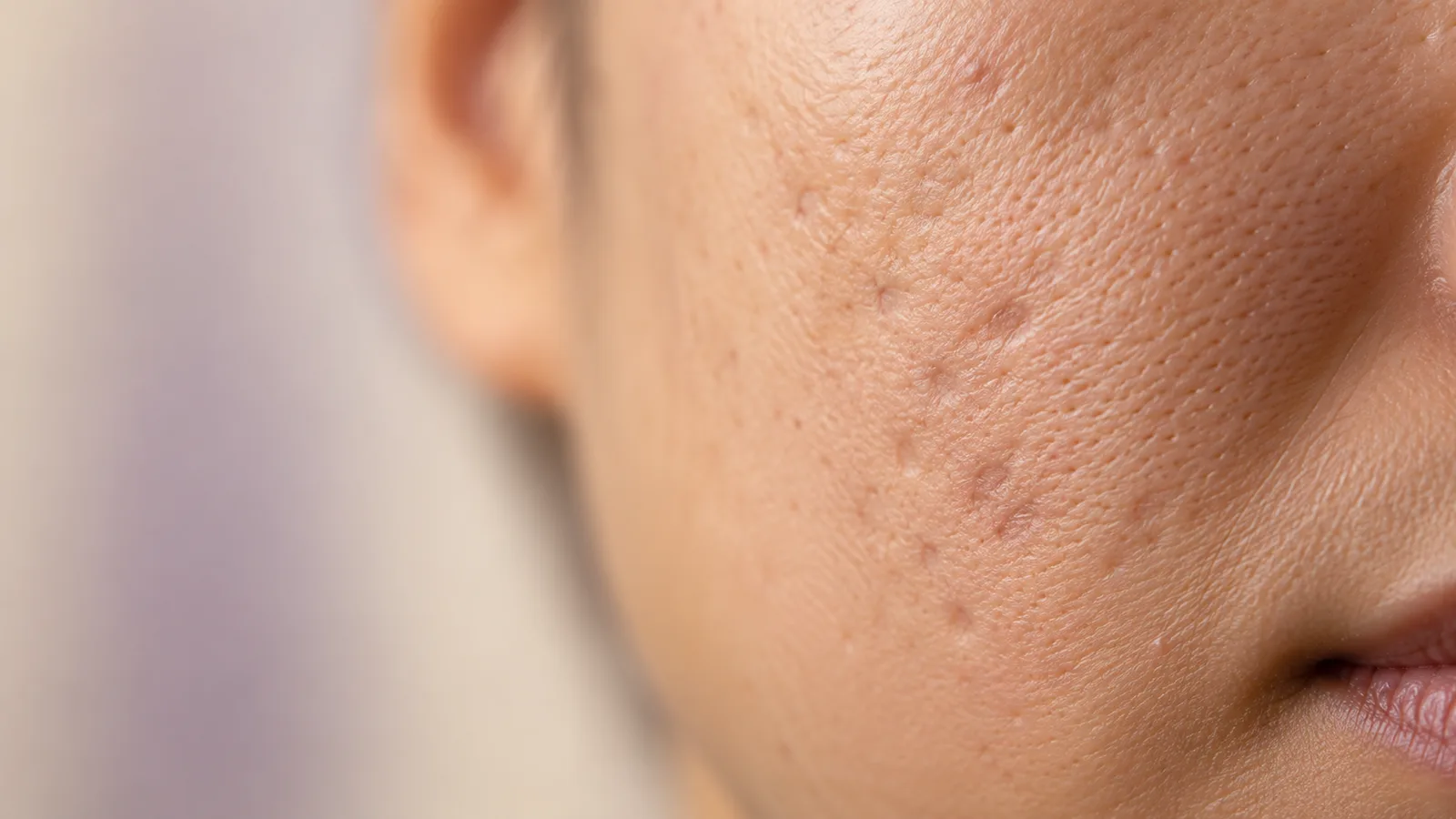
Which scar types respond least well to needling?
Ice pick, boxcar and rolling scars, why depth and tethering decide the answer, and what is used instead.

Does melasma come back after successful treatment?
Why it recurs, the triggers that matter in a sunny city, and what maintenance looks like.

Do pores really shrink with treatment?
What a pore is, what changes its apparent size, and the honest limit of any treatment.
Can lasers trigger a rosacea flare?
Heat, vessels and the difference between a flare and a treatment reaction.

Is hyperpigmentation permanent if untreated?
Which marks fade over months, which persist, and what the sun does to both.
About us
About these answers
The answers in this topic come from independent editors in Hancock Park who read the scar and pigment literature through a Los Angeles Public Library card and hold protocols to the repeatable-process standard ISO sets for its members.
The season's sun is watched through the local desk at the Los Angeles Daily News, since a summer of exposure undoes months of progress. No one here holds a medical license; a licensed clinician who has examined the cheek names the scar types.
Follow-up questions
Is it better to treat scars or pigment first?
Usually pigment, when both are present, because most scar treatments cause inflammation and inflammation makes pigment worse. A clinician will often calm the color for several weeks before touching the texture, particularly on skin that pigments easily.
Do the answers change for deeper skin tones?
Yes, in almost every case. Fitzpatrick types IV to VI carry a higher risk of post-inflammatory pigment after needling, peels and most lasers, so protocols use gentler settings, longer wavelengths, pre-treatment pigment suppression and strict sun avoidance.
A clinic should say how its protocol changes for a given skin type before treatment, not after a problem appears.
How is progress judged when change is slow?
By photographs under the same light, taken by the clinic at each visit. Mirrors and phone cameras lie about texture and pigment, and a summer of exposure can undo months of progress, which is why the photographs matter more than the feeling.
Before booking
Ask for the scar map first
A clinician who names the scar types before naming a device is giving an assessment rather than a menu. The question that shows why starts the topic: which scar types respond least well to needling.