
Question
Do Pores Really Shrink With Treatment?
What a pore is, what makes it look large, and which treatments change which factor for how long.

Enlarged pores send more people to the skincare aisle than to a clinic. The marketing on both sides leans on the word shrink.
Readers in Hancock Park ask it plainly: after a peel, a laser or a course of needling, are the pores smaller, or do they only look smaller for a while?
The answer depends on what a pore is and what is making it look large. This page separates the two. It explains which treatments change which factor, and how long the change lasts.
It sits in the acne scarring, pigment and texture topic, beside the questions on scarring and pigment that often travel with it.
The short answer
The short answer
Pores do not shrink below their genetic baseline, and no treatment changes the size of the gland underneath. What treatment does is make the opening look smaller: it empties it, firms the collagen around it and reduces the sun damage that widened it.
Cleansing and acids give a fast change that fades in weeks. Collagen-stimulating lasers, needling and medium-depth peels give a slower change that holds a year or more with sun protection. In photographs it is measurable; in the mirror it reads as smoother skin.
About us
About these answers
This answer was written from the trial reports that measure pore area by image analysis, and from the consent forms that describe the goal as texture improvement, by independent editors in Hancock Park.
Our editors hold no medical license and have no clinic to defend. Take the page to a licensed clinician who has examined you, and let that examination outrank it.
What decides the answer
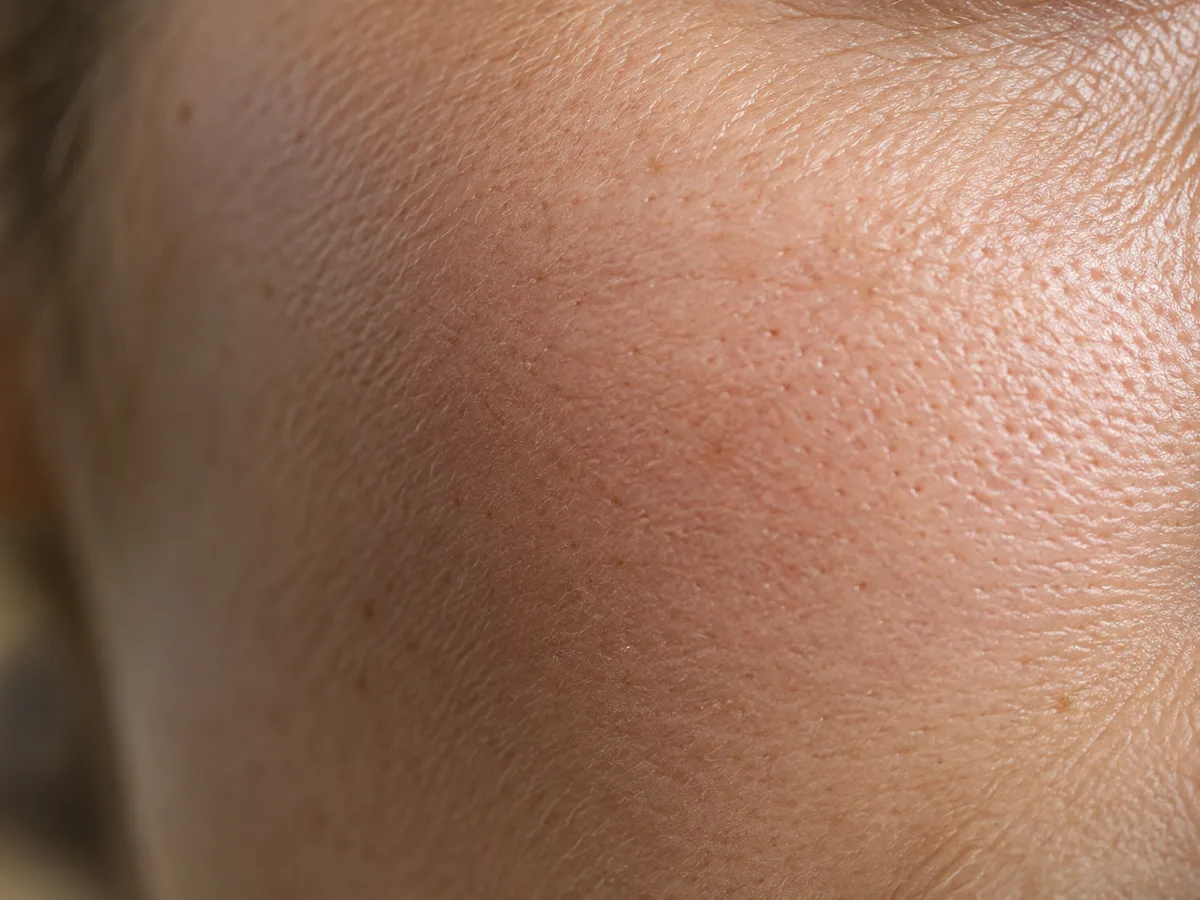
A pore is the opening of a hair follicle and its attached oil gland. Its baseline size is set by genetics and by the size of the gland beneath it. No treatment changes either.
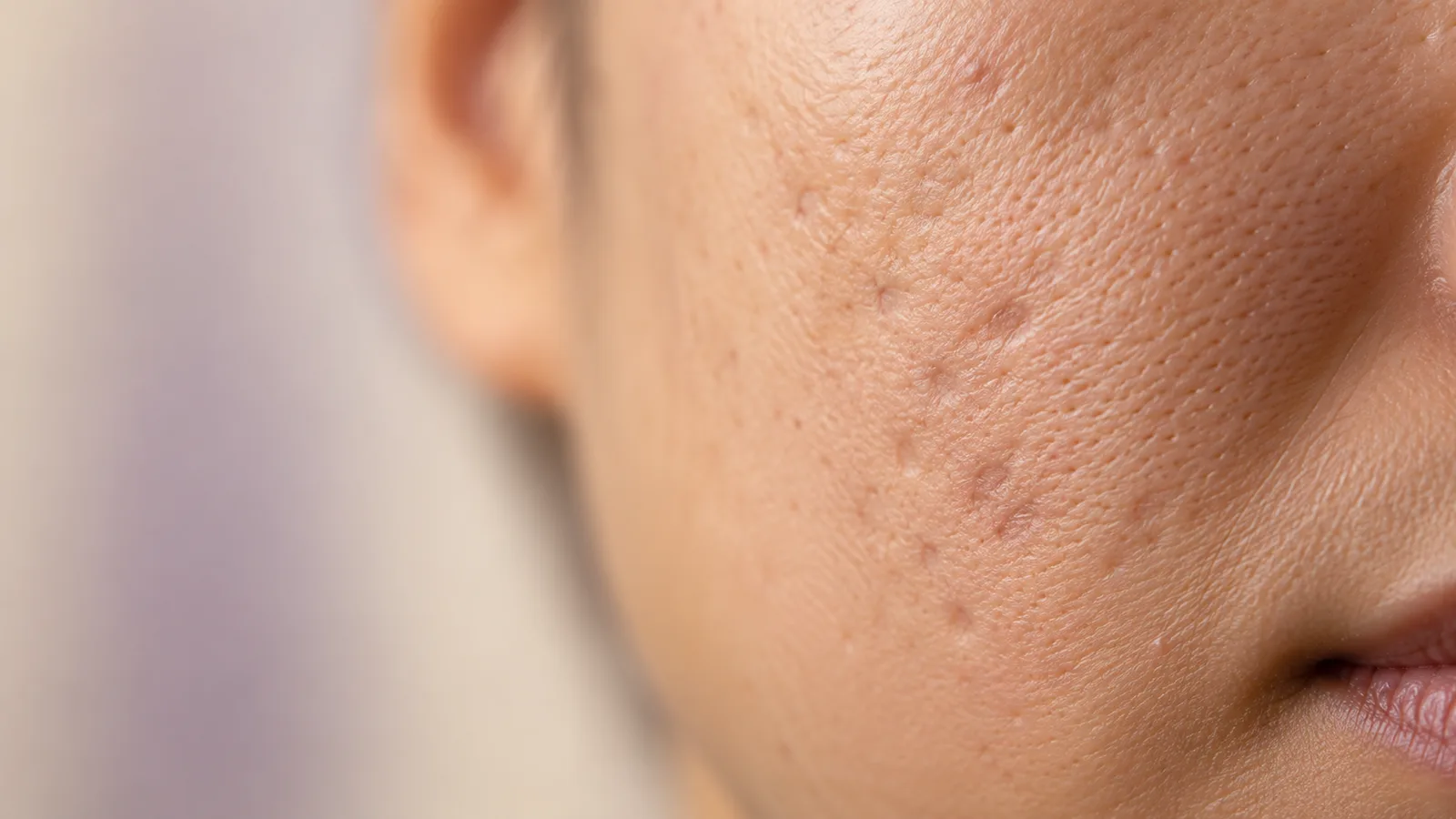
What treatment can change is the four things that make an opening look wider than its baseline. The plug of oil and dead cells sitting in it. The slackness of the skin around it.
The sun damage in the collagen that should be holding its edges in. The redness or pigment that draws the eye to it.
Oil and plugs are the easiest to change and the quickest to return. Salicylic acid peels, retinoids and a consistent cleansing routine empty the opening. An emptied pore looks smaller within days.
It refills within weeks once the routine stops, because the gland underneath keeps producing. Clinicians who see oily skin in this climate often describe it as the difference between a clean drain and a smaller drain.
Collagen and skin firmness are slower to change and longer to hold. Fractional lasers, radiofrequency microneedling and medium-depth peels stimulate new collagen in the dermis around the follicle. Firmer surrounding tissue pulls the opening tighter.
This is where the appearance of a smaller pore comes from. The published series report measurable reductions in pore area three to six months after a course.
The effect fades with age and sun exposure over one to three years, which is why maintenance sessions are usually discussed.
Sun damage is the largest single driver of pore enlargement in Los Angeles. Ultraviolet light breaks down the collagen that frames each opening, and the nose and cheeks catch the most of it.
A reader who has never worn daily sunscreen and starts now will see a slow tightening over a year without any procedure at all. The collagen simply stops being lost faster than it is made.
Expert note
Pore size is measured in the trials by image analysis of a fixed patch of cheek. The reported reductions after fractional laser or radiofrequency needling are real but modest, commonly a quarter to a third of the measured area.
That is enough to be visible in a photograph. It is not enough to make a large-pored nose into a small-pored one. A consent form for any of these devices will describe the goal as improvement in texture rather than removal of pores.
Skin tone changes the choice of device. Ablative and higher-energy fractional treatments carry more post-inflammatory pigment risk in deeper skin tones, and the collagen benefit for pores can be had at lower energies over more sessions.
Oily and acne-prone skin can flare after a procedure, and a clinician will usually want active acne settled first. Travel planning belongs in the same conversation.
The Department of Transportation publishes the federal rules airlines operate under, and a long flight in the first days after a resurfacing session dries and irritates healing skin.
Next steps
When the details conflict, start with a magnified look at the skin under good light, which most clinics do at a first visit.
If the openings are dark and filled, the plan starts with exfoliating acids and a retinoid, and a procedure can wait.
If the openings are clean but wide and the skin around them is loose or sun-damaged, a collagen-stimulating treatment is the reasonable next step. The choice between peel, laser and radiofrequency needling turns on skin tone, downtime and budget.
Two questions earn a place at that consultation. How does the clinic measure change, given that a standardized before-and-after photo under the same light is the only fair comparison? What maintenance interval is expected?
A science museum does a better job than most brochures of showing how magnification changes what the eye sees.
The exhibits at San Francisco's Exploratorium are a reminder that a pore at ten times magnification looks alarming and at arm's length usually does not.
Where this answer stops
The reductions quoted here are trial averages over a fixed patch of cheek, not a promise about one nose. What is filling or widening a particular set of pores is read under magnification by the clinician who examines the skin.



Before booking
Ask how the clinic measures change
A standardized photograph under the same light is the only fair comparison, and the maintenance interval belongs in the same conversation. The series length for collagen-based change is on how many microneedling sessions texture usually needs.