
Question
Can Lasers Trigger a Rosacea Flare?
A short flush after a vascular laser is the normal course; a lasting flare usually means the wrong device, the wrong energy or the wrong day.

Rosacea is the condition that makes the cheeks, nose and chin flush, stay red and, in some people, break out in bumps that look like acne but are not.
Vascular lasers and intense pulsed light are among the standard treatments for the redness, which puts patients in an awkward position: the treatment that clears the visible vessels is also a dose of heat, and heat is one of the classic flare triggers.
Readers across Hancock Park ask this in two forms. Will a session set off a flare in the days after? Does laser treatment make rosacea worse over time?
The two have different answers. This page is part of the acne scarring, pigment and texture topic, where the neighboring questions cover pigment and pores.
The short answer
The short answer
A laser can trigger a short flare, meaning a day or a few days of heightened flushing and swelling after the session. That is the normal course after a vascular treatment rather than a sign of harm.
A laser chosen for redness, with settings matched to the skin, does not usually make rosacea worse over time; the vessels close and flushing eases. The lasting flare-ups patients fear come from the wrong device, the wrong energy or treatment on skin already flaring.
About us
About these answers
This answer follows the dermatology literature on rosacea triggers and subtypes, and the consent forms for vascular lasers and intense pulsed light, read by independent editors in Hancock Park.
None of our editors is a clinician, and none holds a medical license. An examination by a licensed clinician decides what any of this means for one face.
What decides the answer
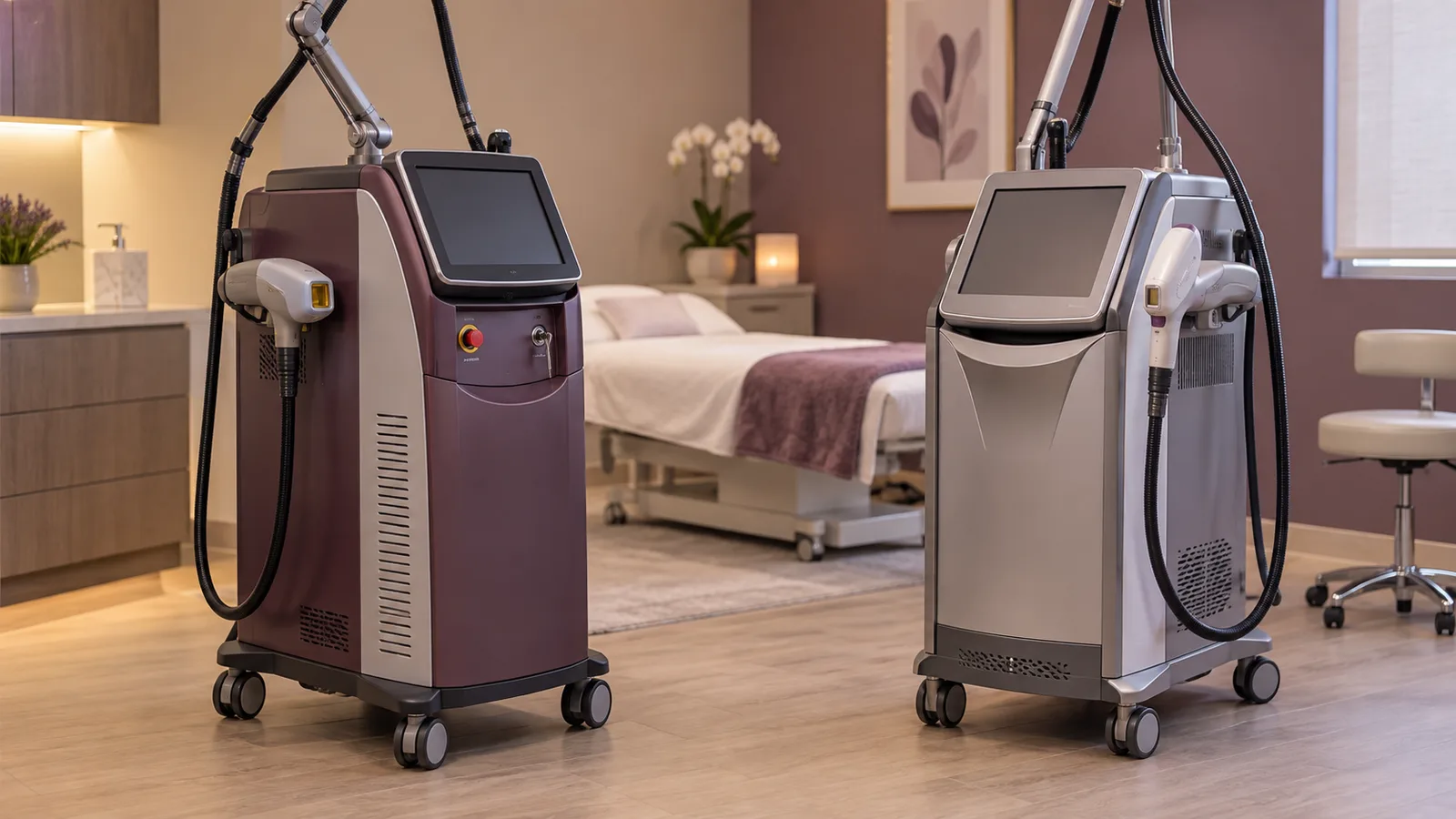
The device is the first variable. Pulsed dye lasers, the 532 nanometer KTP laser and intense pulsed light target hemoglobin, the red pigment in blood, and close the small surface vessels that keep rosacea skin red.
They deposit heat into the vessel rather than across the whole surface. Resurfacing lasers, hair-removal lasers and ablative devices heat much more tissue, and on rosacea-prone skin that broad heat is a flare trigger.
A clinic that offers one machine for every complaint is a warning sign for this condition in particular.
Timing is the second. Lasers are usually offered between flares, once any bumps and pustules have been settled with the topical or oral treatment the treating physician has chosen.
Treating through an active flare means heating already inflamed vessels, and the reaction is larger and longer.
The same logic applies to the days after: cooling, a bland moisturizer, strict sun avoidance and no exercise, alcohol or hot showers for a day or two shortens the flush.
Skin type and the subtype of rosacea are the third. The common flushing and visible-vessel subtype responds best to vascular lasers. The bumpy, papulopustular subtype needs medical control first and laser second.
The thickened-skin subtype that changes the shape of the nose is treated with ablative devices, deliberately, by clinicians used to the condition.
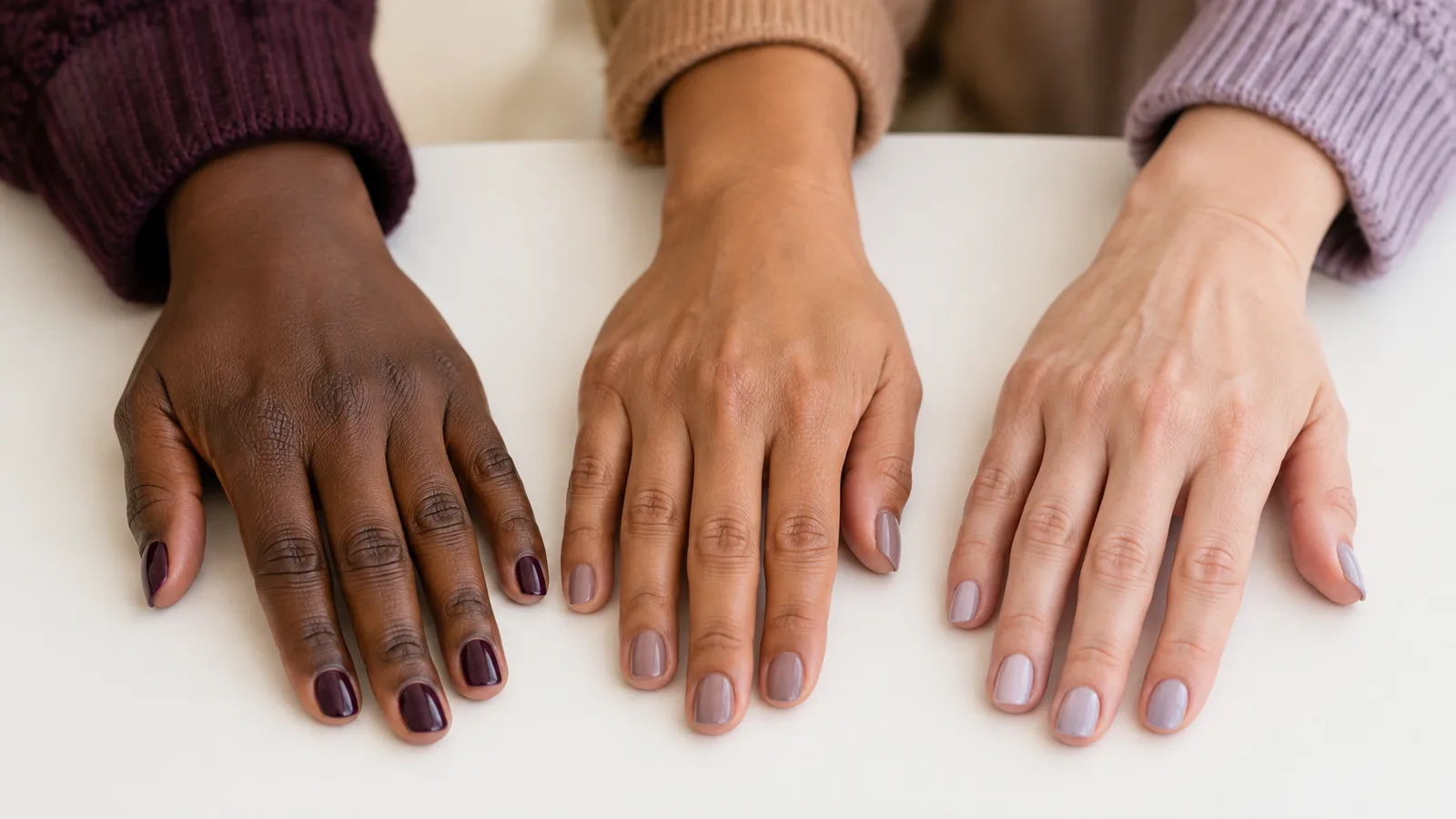
Deeper skin tones need longer wavelengths and lower energies because hemoglobin and melanin absorb at overlapping ranges, and the pigment change risk rises with each pass.
The number of passes and the interval between sessions round it out. A series of three to five sessions spaced four to six weeks apart, each conservative, produces less post-treatment flushing than one aggressive session, and the cumulative result is similar.
Sun exposure between sessions undoes some of the gain and raises the flare risk on the day, which in this city means planning a series for the cooler months or accepting a stricter sun routine through summer.
Expert note
The dermatology literature on rosacea lists heat, sun, alcohol, spicy food, wind, emotional stress and some skincare ingredients as common flare triggers, and it treats a short-lived post-laser flush as expected rather than as a complication.
The consent form for a vascular laser or intense pulsed light treatment lists the expected effects. Redness and swelling for one to several days. Temporary darkening of treated vessels.
Less often, blistering or pigment change. The same literature reports reduced flushing and fewer visible vessels after a series, with the effect lasting months to a few years before touch-ups.
What the published series do not support is the idea that a correctly chosen vascular device worsens the underlying condition.
The cases where a laser made rosacea look worse for weeks usually involve the wrong device for the job, a resurfacing or hair-removal setting used on inflamed skin, or treatment during an active flare with pustules present.
Device choice, energy settings and timing are the clinician's decisions, and a patient with rosacea is entitled to hear the reasoning for each.
Next steps
From an expert answer angle, the useful next step is a consultation that names the device, the wavelength, the subtype being treated and the plan for the days around each session.
A test spot on the jawline is a fair request for anyone with a history of large flares.
It also helps to keep a simple trigger diary for a month beforehand, because a person whose flushing is driven by wine and hot rooms will get more from the laser than a person whose triggers are mostly emotional stress, where the vessels reopen faster.
The quiet days after a session suit indoor listening more than outdoor plans, and a public radio schedule such as KCRW's is a low-effort way to fill them.
Readers who want to understand why a wavelength is quoted in nanometers can start with the spectrum explainers published by the International Telecommunication Union, the United Nations agency that coordinates radio spectrum.
Wavelength and frequency are described the same way for light and for radio. This page is general information; whether a particular face should be treated, and with what, is a decision for the clinician who has examined it.


Before booking
Ask for the device, the subtype and the plan
A consultation should name the wavelength, the rosacea subtype being treated and what happens in the days around each session, and a test spot is a fair request. The melanin side of the same question is on does skin type change which laser is suitable.