
Question
Ablative Versus Non-Ablative Lasers: The Difference
One session with two weeks off, or four sessions with almost none: the physics behind two very different quotes.
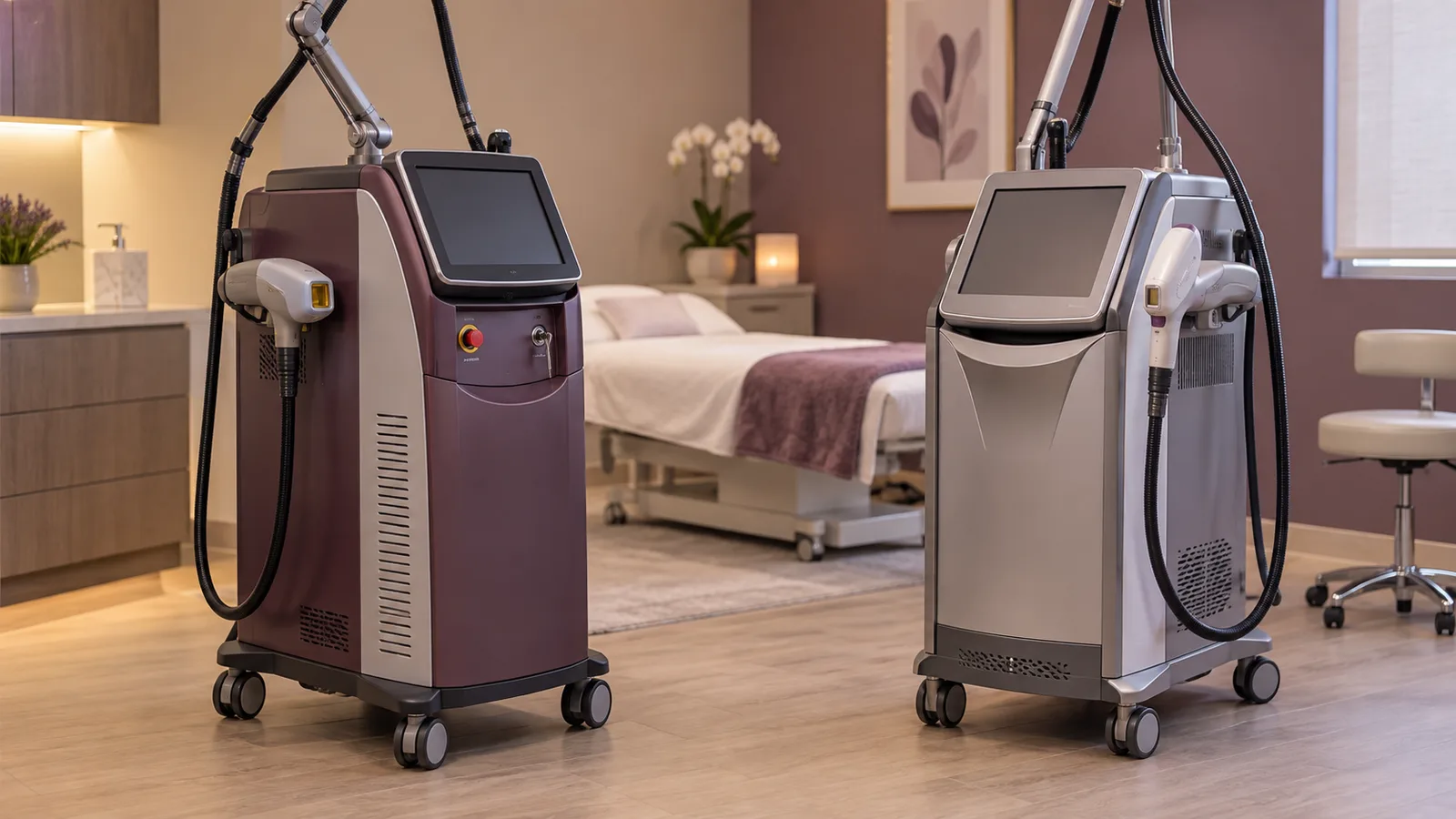
Every laser consultation in Los Angeles eventually reaches these two words, and they describe the single biggest decision in resurfacing: whether the outer layer of skin is removed or left in place.
Everything else, downtime, risk, number of sessions, suitability for darker skin, and how dramatic the change looks, follows from that choice.
Patients in Hancock Park asking the question are usually trying to work out why one clinic quoted one session with two weeks off and another quoted four sessions with almost none.
This page is part of the resurfacing questions topic, alongside the skin-type question that decides which of the two is even on the table.
The short answer
The short answer
An ablative laser vaporizes the epidermis and part of the dermis in the treated zones. The surface is raw for one to two weeks and the change per session is large.
A non-ablative laser heats the dermis under an intact surface: a few days of redness, a smaller change, and a series rather than one visit. Ablative suits deeper damage in lighter skin with time to recover; non-ablative suits fine lines, darker skin and no downtime.
Follow-up questions
Is fractional the same as non-ablative?
No. Fractional describes the pattern, a grid of treated columns with untouched skin between, and both ablative and non-ablative lasers can be fractional. A fractional carbon dioxide laser is still ablative; it removes tissue in each column.
The word says nothing about depth on its own.
How many sessions does each need?
Ablative treatment is usually one session, sometimes two spaced months apart for deep scarring. Non-ablative treatment is planned as three to five sessions three to six weeks apart, with the result building over the months after the last one.
Can non-ablative reach deep scars at all?
It can soften them and it is often the only option in darker skin, but the published series show smaller changes than ablative treatment for the same scars. Radiofrequency microneedling is the other tool that reaches deep in those skin types.
This page is general information and not medical advice; the choice between the two belongs to an examination with a treating clinician.
About us
About these answers
This answer was written from laser clearance letters, the wavelength physics in the device literature and the consent forms for fractional resurfacing, read by independent editors in Hancock Park.
The desk holds no medical license and sells no treatment. Where a page and a licensed clinician who has examined you disagree, the clinician is right.
What decides the answer
Depth of the problem is the first filter. Etched-in lines around the mouth, deep acne scarring and heavy photodamage sit below the reach of a gentle non-ablative pass, and the honest choice for a lighter-skinned patient with time is ablative.
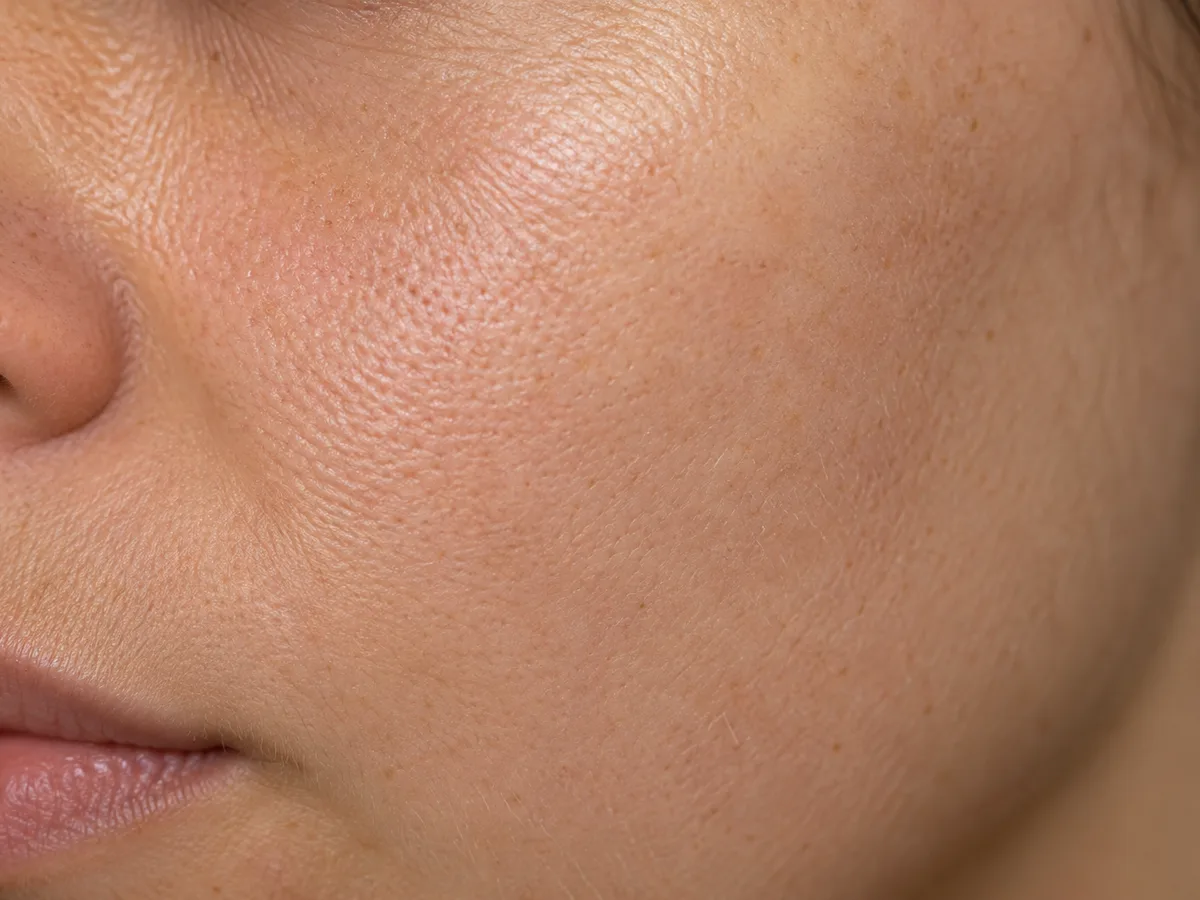
Fine crepiness, mild pore prominence and early sun damage respond to a non-ablative series, and using an ablative device on them is more injury than the problem calls for.
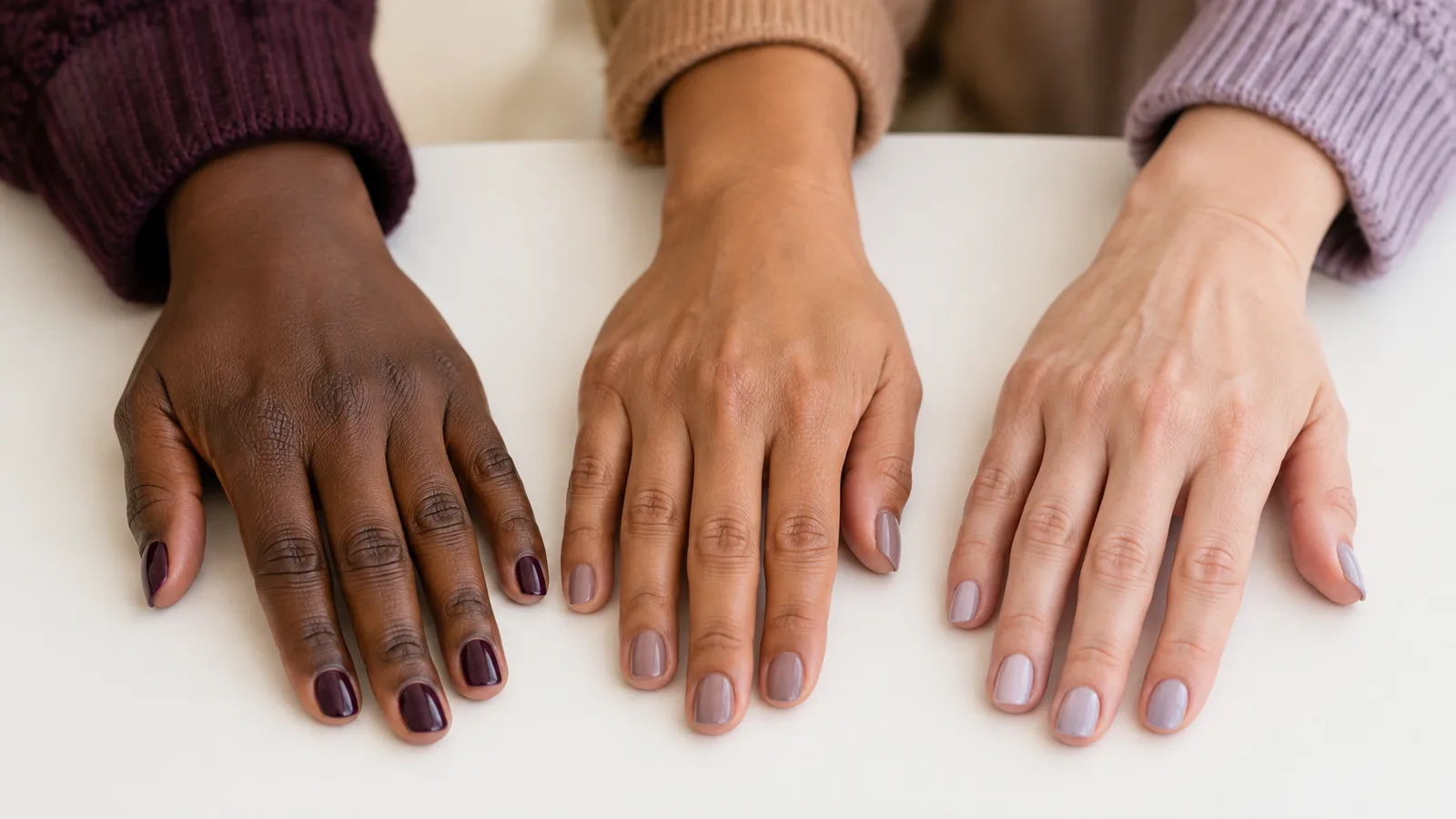
Skin type is the second and often the deciding one. Ablative resurfacing in Fitzpatrick types IV to VI carries a well-documented risk of post-inflammatory hyperpigmentation and, less often, a loss of pigment that does not resolve.
Many clinicians will not offer full ablative treatment above type III and will offer conservative fractional non-ablative settings instead, with pigment suppression before and after. The Los Angeles patient population makes this the most common reason a request for ablative treatment is redirected.
Downtime is the third. Ablative healing means an open, weeping surface for several days, dressings or occlusive ointment, a week or two out of public view, and pinkness for weeks to months.
Non-ablative healing means a sunburned look for two to four days and makeup the next morning. The way engineering standards are written, with a stated scope, a test method and an acceptance criterion, is a good frame for comparing the two.
The International Organization for Standardization site shows how such standards are structured, and a treatment plan is easier to judge when it is written with the same three parts.
Cost follows from all three. A single ablative session tends to cost more than a single non-ablative one, but a non-ablative series of three to five can close the gap.
What moves the figure is device type, treatment area, whether a physician or a supervised nurse performs it, anesthesia for ablative work, and the number of sessions. No one can quote a comparison without seeing the skin.
Expert note
Wavelength is the physical basis of the split. Ablative devices, the carbon dioxide laser at 10,600 nanometers and the erbium:YAG laser at 2,940 nanometers, are absorbed so strongly by water that tissue is vaporized at the point of contact.
Non-ablative devices, most commonly in the 1,440 to 1,927 nanometer range, are absorbed less strongly and heat water in the dermis without boiling the surface.
A clinic that names its device and its wavelength is describing physics; one that names only a brand is describing marketing.
Two regulatory points.
Laser devices are cleared by the Food and Drug Administration for stated indications, and the indication on the clearance letter is what a patient can rely on; "resurfacing" and "coagulation of soft tissue" are common wordings and they are not the same promise.
In California, a laser that penetrates the skin is a medical procedure, so it is performed by a physician, or by a nurse practitioner, physician assistant or registered nurse under physician supervision, never by an esthetician working alone.
The same rule applies whether the device is ablative or not.
Next steps
Put plainly, the answer here is to ask three things at a consultation: which device and wavelength, what its clearance letter says it is for, and why this skin type points to one side of the split rather than the other.
A clinician who answers all three in plain terms is likely to set expectations plainly too. Asking any practice to name the device and its cleared indication is a fair test of how it talks about lasers, and My Aesthetic Doctor is one Los Angeles practice the three questions can be put to.
Reading up ahead of the consultation helps, and the dermatology shelves and database access at the Los Angeles Public Library are free with a card; the published reviews on fractional resurfacing are readable by a careful lay reader.
The skin-type question, which decides most of this, is covered next.

Before booking
Ask for the device, the wavelength and the letter
Which device and wavelength, what its clearance letter says it is for, and why this skin type points to one side of the split. Any practice offering laser resurfacing should answer all three without looking them up.