
Question
Does Skin Type Change Which Laser Is Suitable?
Melanin absorbs the same light lasers aim at spots and vessels, which changes the wavelength, the settings and sometimes the whole plan.
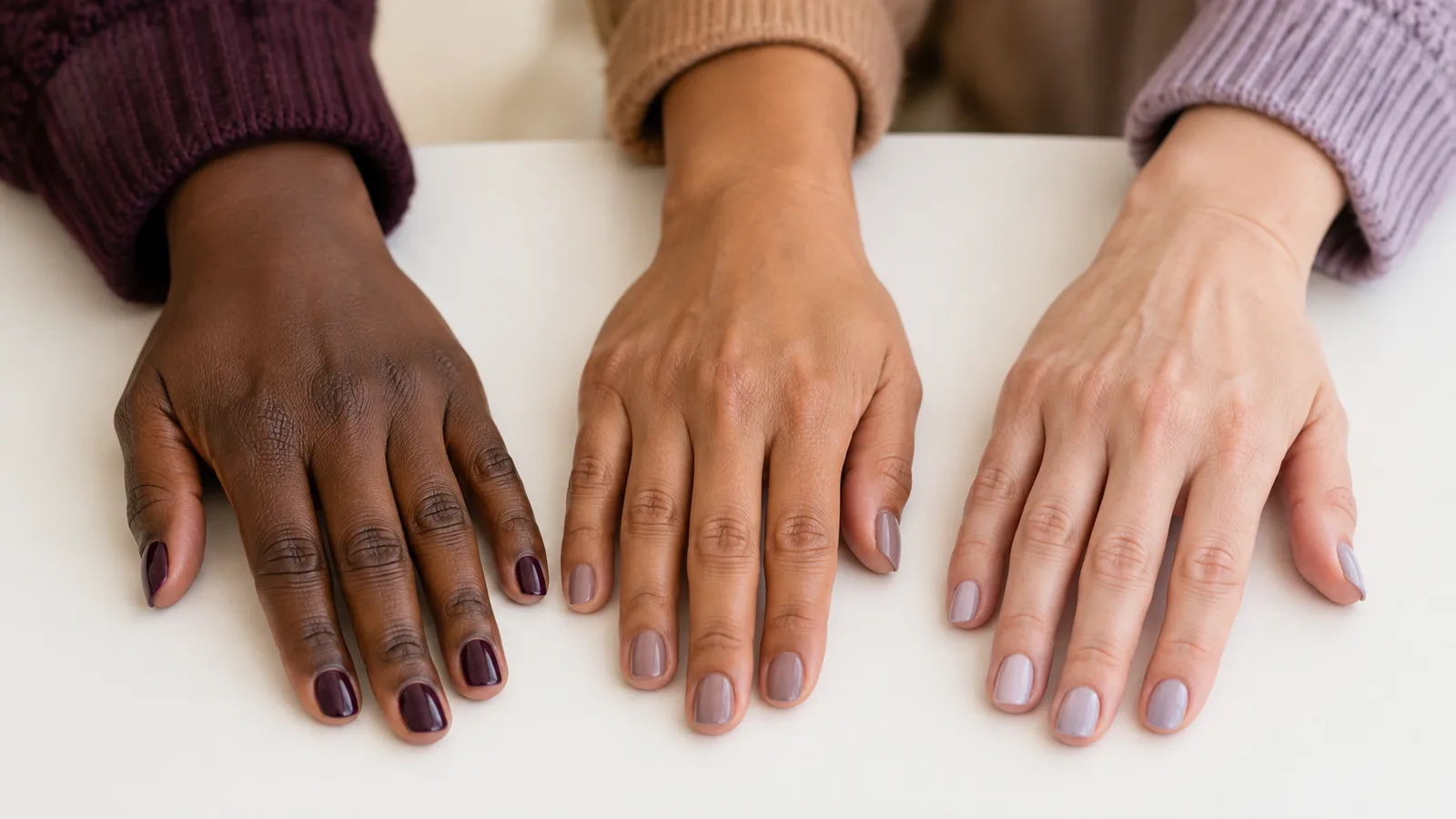
The question usually arrives from a reader with olive, brown or black skin who has been told by one clinic that a laser is fine and by another that it is off the table.
Both may be right, because the answer depends on which laser, at which setting, for which problem. Los Angeles has one of the widest ranges of skin tone of any American city, and the device literature was not written with most of it in mind.
This page sets out how skin type changes the choice, what a careful consultation looks for, and where the real limits sit. It belongs to the resurfacing questions topic.
The short answer
The short answer
Yes, and more than most marketing admits. Skin type changes which wavelengths are reasonable, which settings are used, how many sessions are planned, how far apart they sit and whether a laser is the right class of treatment at all.
Darker skin is not excluded from laser treatment, but the margin for error is smaller and the operator's experience matters as much as the machine. The safest lasers for darker skin see past melanin and are used by someone who has done it before.

About us
About these answers
This answer was written from laser clearance letters, the dermatologic laser societies' consensus statements on darker skin, and consent forms, by independent editors in Hancock Park.
Public agencies that explain technical subjects in ordinary language, such as the National Telecommunications and Information Administration on spectrum, are the model for how wavelengths are explained here. Nobody here holds a medical license; a licensed clinician decides.
What decides the answer
The first thing a clinician looks at is not the chart but the face, and specifically how it has healed before.
A patient whose acne left dark marks that took a year to fade, or whose scratches leave brown lines, is showing post-inflammatory hyperpigmentation in advance.
That history predicts what a laser will do more reliably than the Fitzpatrick number, and a consultation that does not ask about it is skipping the most useful question.
The second thing is the target. Lasers work by selective absorption: the wavelength is chosen so the intended target, whether melanin in a spot, hemoglobin in a vessel or water in the dermis, absorbs more energy than what surrounds it.
In lighter skin the contrast between a brown spot and its background is large and the selectivity is easy. In darker skin the background contains the same chromophore as the target, and the margin narrows.
This is why pigment lasers on type V and VI skin are the highest-risk category. Intense pulsed light, which is a broad flash rather than a single wavelength, is often declined outright for darker skin.
A clinic that offers IPL to everyone without asking about tanning or ancestry has told a reader something about its habits.
The third thing is the device on the premises. A clinic owns what it owns.
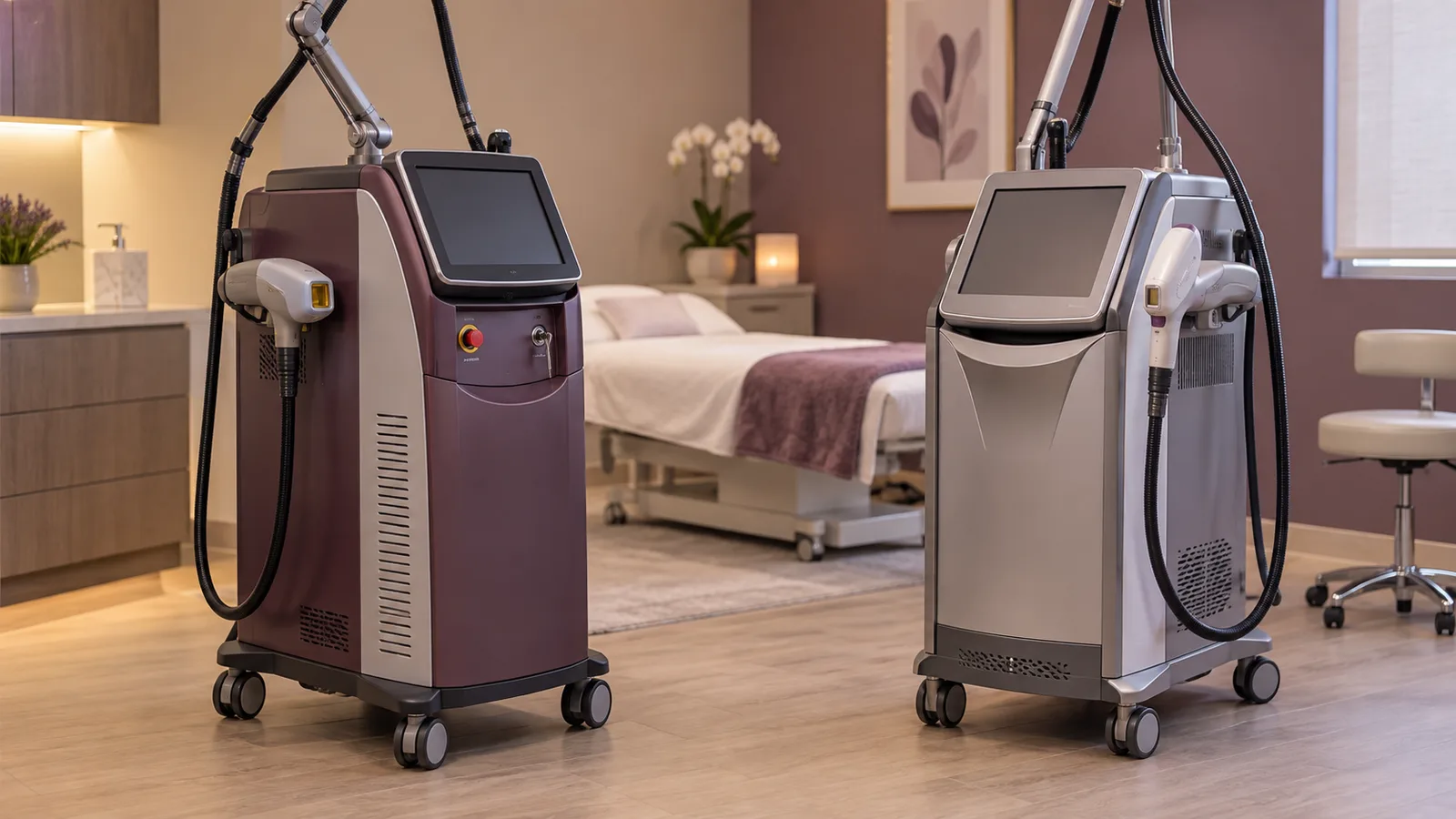
If its only pigment device is a 532 nanometer or 755 nanometer platform, it may steer a darker-skinned patient toward that device rather than toward a 1064 nanometer one it does not have.
The safer move is often a different treatment class altogether: a series of gentle superficial peels for pigment, or radiofrequency microneedling for texture, since neither depends on light absorption.
When the details conflict, start with what the device was cleared for and whether the trial population included skin like the reader's.
The clearance summary is a public record, and checking a public record is a habit worth having, the same habit that sends a careful voter to the county registrar's site to confirm a registration rather than assuming it.
The fourth is season and sun. Los Angeles skin arrives at most consultations with a tan, and a recent tan raises the melanin load in every skin type.
Most protocols push treatment to a period of strict sun avoidance before and after, and some clinicians will decline to treat a visibly tanned patient of any type until the color settles.
Expert note
Clinicians sort skin by the Fitzpatrick scale, a six-step ladder from skin that always burns and never tans to skin that never burns. The scale is old and blunt.
It says nothing about ancestry or about how a given face has healed from past injuries, but it is still the language of clearance letters and consent forms.
Types IV to VI carry more melanin in the epidermis, and melanin absorbs light across most of the wavelengths lasers use. That is the whole issue in one sentence.
A beam aimed at a brown spot, a red vessel or the water in the dermis is also absorbed by the pigment in the surrounding skin, and the heat that follows can leave the skin darker, lighter or scarred.
Published consensus statements from the dermatologic laser societies say the same thing in more words. Longer wavelengths pass through melanin with less absorption, so the 1064 nanometer Nd:YAG is the usual choice for hair removal and vessel work on darker skin.
Non-ablative fractional devices, which heat narrow columns without removing the surface, are favored over fully ablative resurfacing. Test spots, longer intervals between sessions and lower fluence are the standard adjustments.
None of this makes a laser safe for a given person; it makes the choice more careful.
Next steps
A reader with type IV to VI skin who has been offered a laser can ask four plain questions.
Which wavelength, what fluence compared with the setting used on lighter skin, whether a test spot will be done first, and how many patients of similar skin the operator has treated with this device.
The answers should be specific, and a hesitation on the first one is a reason to pause. Asking any clinic to name the device and its cleared indication before booking is a fair test of how it talks about lasers.
The second step is to ask whether a laser is needed at all. For pigment on darker skin a topical program plus superficial peels is often the first line in the professional literature, with lasers held in reserve.
A clinician who offers that sequence unprompted is thinking about the skin rather than the schedule.



About us
How these pages are written
Our editors are readers, not clinicians, and none holds a medical license. The practical, hands-on outlook of programs like the LA Conservation Corps is closer to the spirit of these pages than a glossy brochure.
A decision about lasers on a particular skin belongs in a consultation with a licensed clinician who has seen it.
Before booking
Ask the four questions before booking
Which wavelength, what fluence compared with lighter skin, whether a test spot comes first, and how many similar patients the operator has treated. One Los Angeles practice the questions can be put to is My Aesthetic Doctor.