
Question
Medical Microneedling Versus the Cosmetic Version
Salon, home roller or medical pen: why quotes for the two are quotes for different procedures.
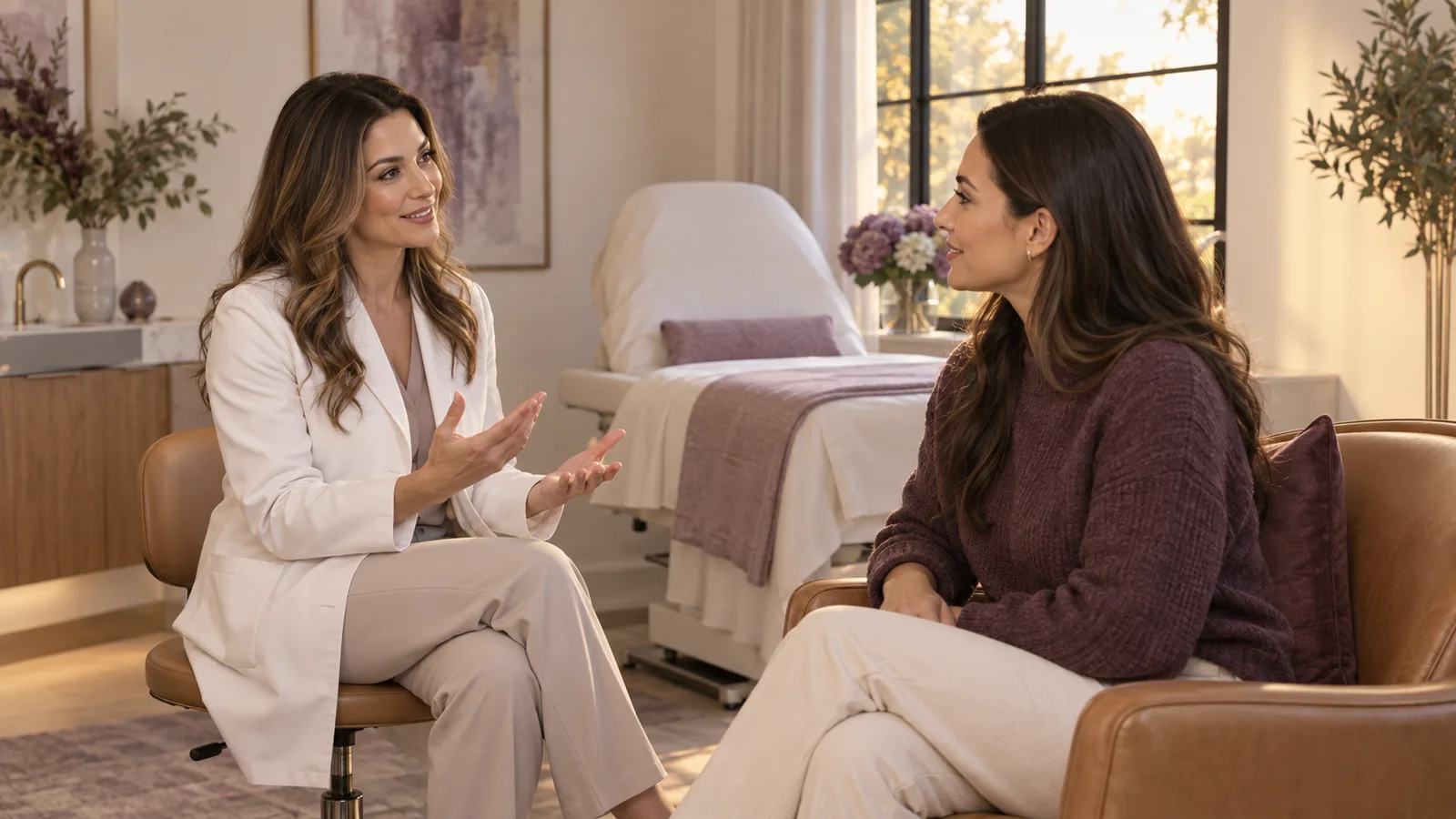
Two treatments share the name microneedling, and the difference between them is mostly depth, setting and who is allowed to hold the device. One is done in a medical setting with needles that reach the dermis.
The other is done at a salon, a spa without medical supervision, or at home with a roller, and stays in the top fraction of a millimeter. Patients in Hancock Park comparing quotes between the two are often comparing different procedures without knowing it.
The distinction matters for results, for infection control and for what happens if something goes wrong. This page is part of the resurfacing questions topic.
The short answer
The short answer
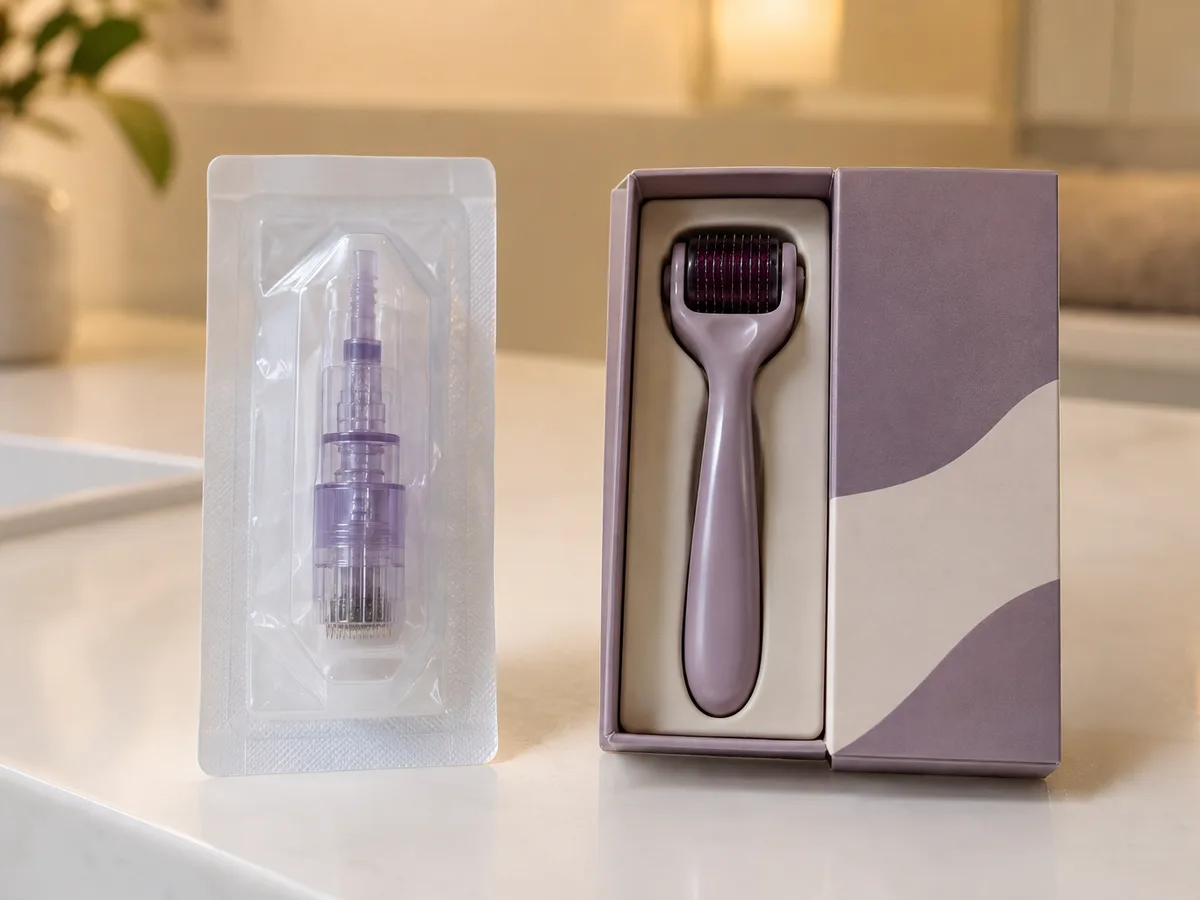
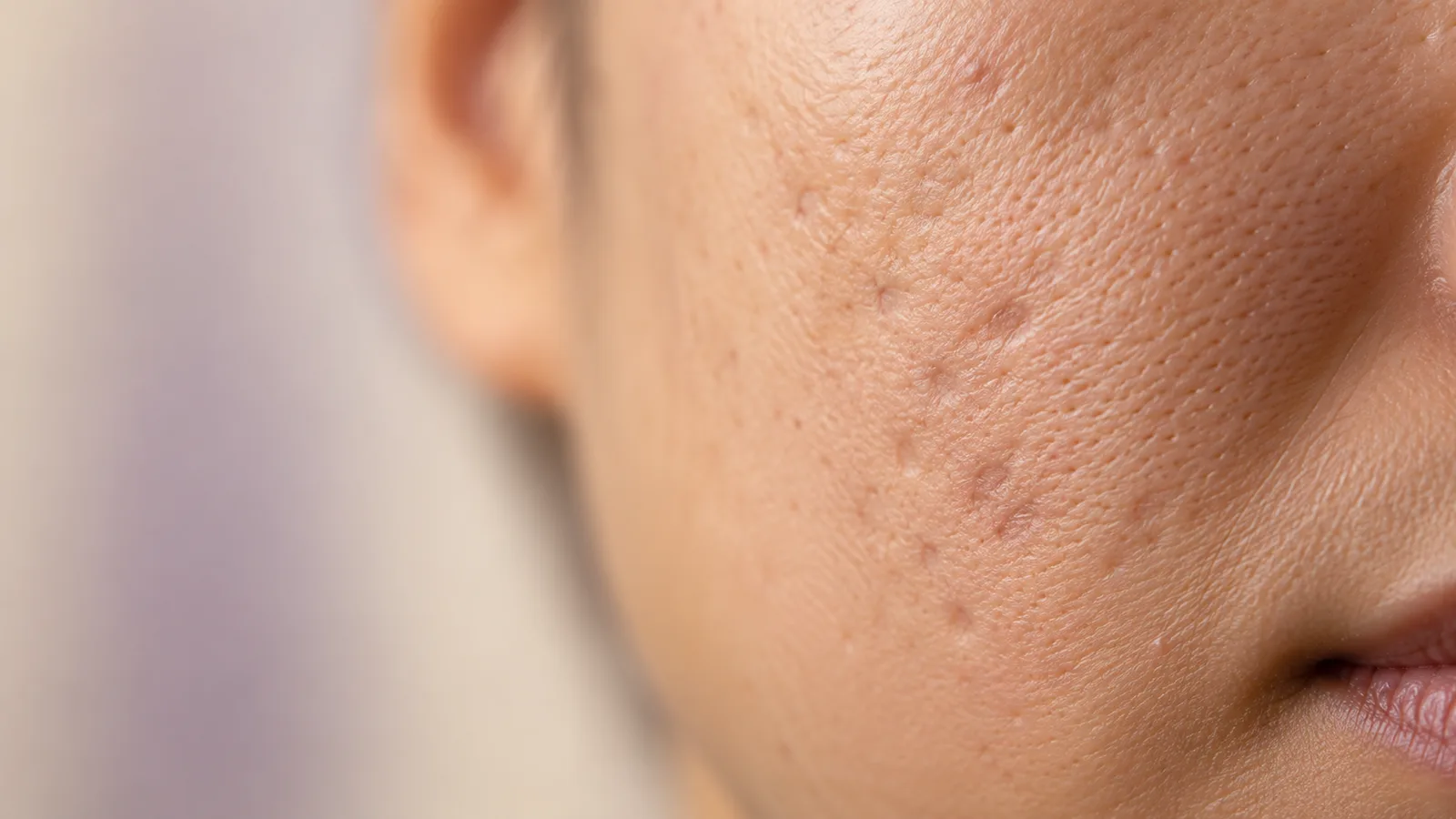
Yes, they are different procedures. Medical microneedling uses sterile single-use cartridges at roughly 0.5 to 2.5 millimeters, reaches the dermis, draws pinpoint bleeding, and is performed or supervised by a licensed clinician.
Cosmetic microneedling, in a salon or at home, stays around 0.25 millimeters, does not break into the dermis in any controlled way, and is limited by California regulation to that depth. Only the medical version has a published record for scarring, texture and fine lines.
About us
About these answers
The California scope-of-practice line comes from the Board of Barbering and Cosmetology and the Medical Board of California, read by independent editors in Hancock Park who compared it with what clinics and salons advertise.
Our editors hold no medical license and have no clinic to defend. Take the page to a licensed clinician who has examined you, and let that examination outrank it.
What decides the answer
Depth decides the biology. Collagen remodeling happens when needles reach the papillary and upper reticular dermis, which begins somewhere around half a millimeter on the face and deeper on the body.
Below that threshold the needles are stimulating the epidermis, which turns over on its own every few weeks anyway. That is why cosmetic needling produces a temporary plumpness that fades and medical needling produces a change that is measured at three and six months.
Setting decides the risk. A medical setting means single-use sterile tips, a clean field, and a clinician who can recognize an early infection or a reaction to whatever was applied afterward.
The home roller problem is less the needles themselves than the reuse of a device that cannot be properly sterilized, combined with serums never designed to be pushed into an open channel.
Operator decides the outcome. The same device at the same depth behaves differently in different hands, because pass count, pressure and the pattern of overlap change how much injury is created.
The Los Angeles market has a wide spread of training, and the useful check is the same as for any injectable: who holds the license, and who is physically present.
A neighborhood council site such as the one Mid City keeps is a reminder that local oversight exists at the civic level too, though it plays no part in medical licensing.
Expert note
California draws the line by scope of practice rather than by device. The Board of Barbering and Cosmetology's position is that estheticians may not penetrate the skin, which in practice restricts them to the shallow cosmetic depth.
Anything that reaches the dermis is a medical procedure, done by a physician, nurse practitioner or physician assistant, or by a registered nurse under physician supervision with standing orders. The Medical Board of California treats the medical spa as a medical practice for this purpose.
A patient who is offered "medical-grade" needling at a facility with no physician oversight is being offered a label, not a category.
The other clinical difference is what happens after. Medical needling produces a controlled wound, and the aftercare, the product choice, and the interval between sessions are set with that wound in mind.
Numbing cream, sterile technique, and the exclusion of active acne, cold sores and keloid tendency are part of the medical protocol. Cosmetic rollers skip most of that because they are not supposed to be causing a wound in the first place.
Next steps
The practical test at a consultation is to ask what depth will be used, on which areas, and who will hold the pen. A medical facility answers all three without hesitation and names the supervising physician.
The next question is how many sessions the concern in question tends to need, which is covered at how many microneedling sessions texture usually needs.
Verifying a license takes a few minutes online, and the habit of looking up a public record before relying on it is a good one to form.
The county keeps its own public records portal through the Registrar-Recorder/County Clerk, which handles property, birth and marriage records rather than medical licenses, but the instinct is the same: check the register, not the brochure.
About us
How these pages are written
Our editors are independent readers in Hancock Park, and none holds a medical license or works for a clinic. Answers are revised when the evidence or the California rules change.
Which version a given face needs, and at what depth, is a question for the licensed clinician holding the pen.
Before booking
Ask what depth and who holds the pen
A medical facility answers both without hesitation and names the supervising physician. Once the medical version is chosen, the next question is how many microneedling sessions texture usually needs.